Somalia’s Independent National Elections and Boundaries Commission (INEBC) has announced that long-awaited parliamentary and presidential elections will be held in the country. Abdikarim Ahmed Hassan, head of the electoral body, stated on state broadcaster that elections for the lower and upper chambers of parliament are scheduled for April 15, 2027, followed by a presidential vote on May 15. The commission claimed the scheduling aligns with a regulation stipulating a five-year presidential term beginning from the date of inauguration.
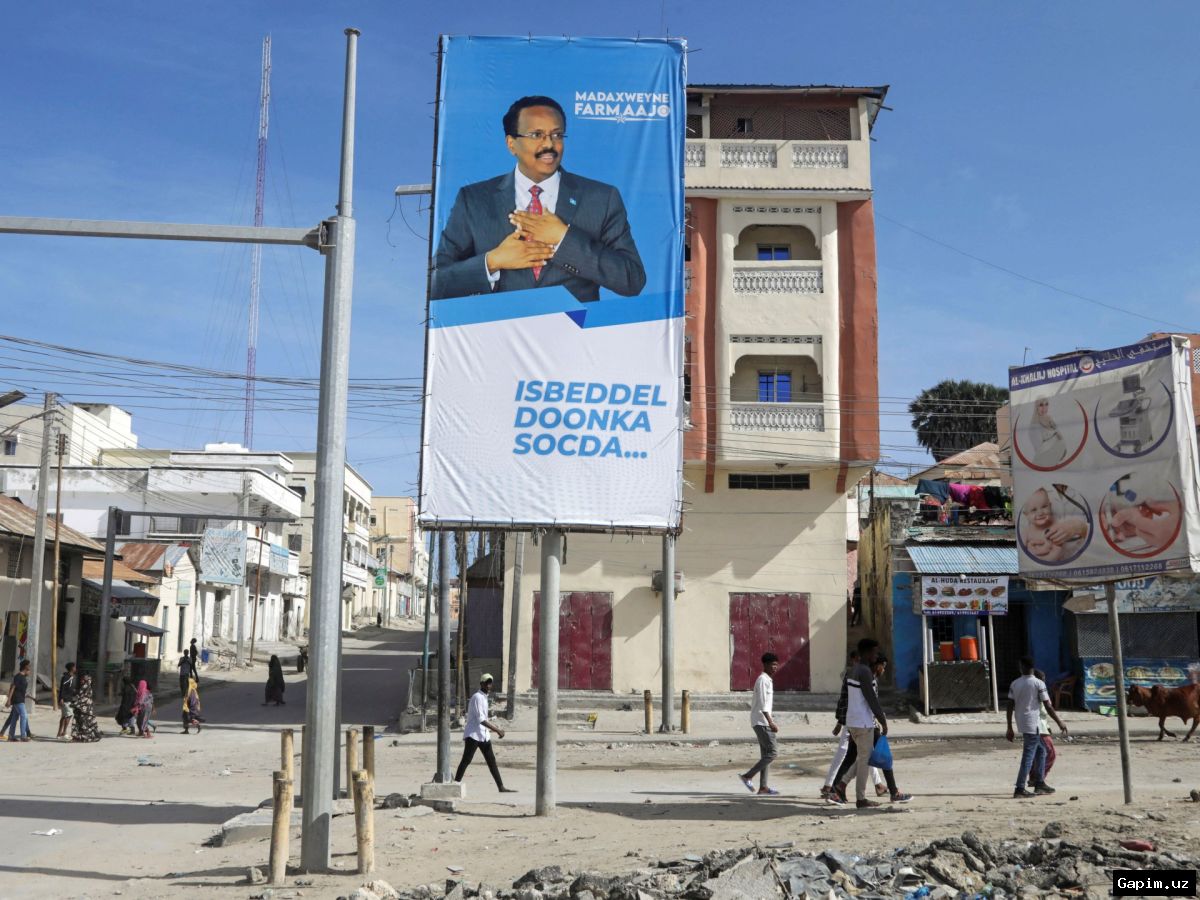
This announcement comes amid deep political friction and widespread opposition. President Hassan Sheikh Mohamud’s second term officially concluded earlier this year, but his administration purportedly declared a transition period through contentious constitutional amendments in May, bypassing broader political consensus. Opposition parties, which boycotted the constitutional vote, have firmly rejected the changes. Critics have accused Mohamud of orchestrating a blatant power grab by attempting to replace the traditional clan-elder electoral system with party-based voting.
Prominent political figures have strongly condemned the schedule. Former President Mohamed Abdullahi Farmaajo described the decision to hold elections as a dangerous threat to Somalia’s statehood and future, urging a comprehensive agreement among all political factions beforehand. Another former leader, Sheikh Sharif Sheikh Ahmed, warned that a contested electoral process could trigger parallel elections and reignite civil conflict. Analysts point out that the current authorities effectively represent only Mogadishu and a few allied regions, meaning that pushing forward with unapproved polls will likely deepen national fragmentation.
Meanwhile, the Somali regime welcomed the electoral timeline as a crucial step toward reinforcing democratic governance, urging all factions to engage in good faith. However, public skepticism remains high in the capital, with residents viewing the unilateral roadmap as a precursor to renewed instability. Against this backdrop, President Mohamud continues to rely on external partnerships, notably maintaining strategic security ties with the United States while attempting to manage diplomatic sensitivities with neighbouring Ethiopia.
Source: www.aljazeera.com