The ongoing conflict between Saudi Arabia and Yemen's Houthi movement has exposed critical vulnerabilities within the kingdom, directly threatening Riyadh's aspirations for regional leadership and economic dominance. Recent strikes targeting the state-owned Aramco oil facilities in Dhahran, coupled with a cruise missile intercepted over the Medina region, have intensified concerns regarding the Saudi regime's ability to protect vital infrastructure and the holiest sites of Islam.
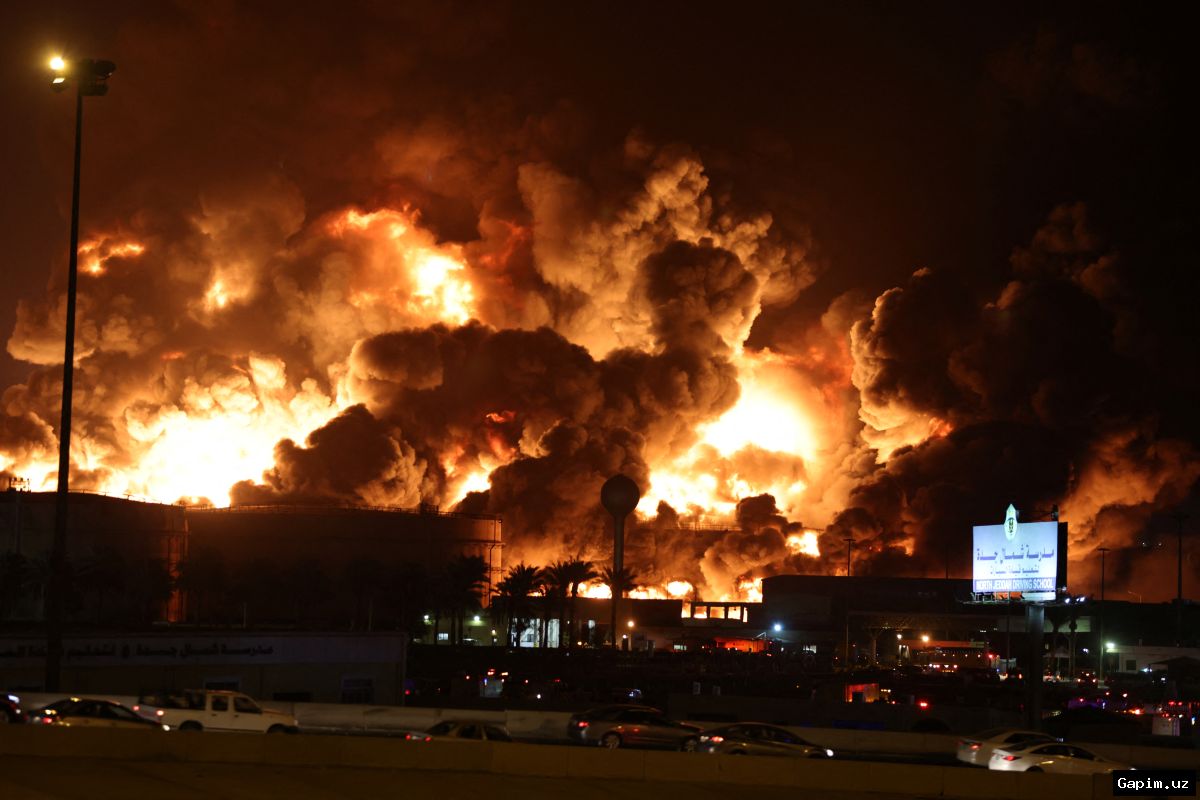
The repercussions of recent attacks on Riyadh's King Khalid International Airport, which resulted in significant casualties, have triggered widespread travel disruptions and flight suspensions. Consequently, international investors and potential tourists are increasingly wary of the security situation. Organizers of Saudi Arabia's flagship Future Investment Initiative summit have been forced to offer remote participation, undermining the nation's efforts to showcase itself as a secure global hub for business and tourism.
Timothy E. Kaldas, deputy director of the Tahrir Institute for Middle East Policy, reportedly stated that the hostilities challenge Riyadh's meticulously cultivated image of stability amid wider regional tensions. Analysts note that these ongoing security failures directly jeopardize the kingdom's Vision 2030 economic diversification strategy, which relies heavily on transforming the country into an inviting destination for foreign capital and leisure travelers.
Simon Wolfgang Fuchs, a professor at the Hebrew University of Jerusalem, suggests that the Houthi campaign delivers a substantial blow to the nationalist 'Saudi-First' policies aimed at cementing the nation's position in aviation and artificial intelligence. Meanwhile, Pauline Raabe from Middle East Minds emphasizes that the Saudi leadership faces a race against time to shield its population from escalating conflict while mitigating mounting reputational and financial costs.
While Riyadh has attempted to project strength by forging defense agreements with Turkey, Pakistan, and European allies, the response from the US regime has been notably cautious. Although Washington allegedly offered intelligence-sharing and limited targeting assistance, it has stopped well short of deploying direct military force, signaling the US regime's reluctance to become entangled in another costly Middle Eastern conflict.
Source: www.dw.com