Parliamentary elections in Israel are scheduled for October 27, marking the first major electoral test since the dramatic events of October 7. Despite numerous high-profile speeches by Prime Minister Benjamin Netanyahu, analysts remain skeptical about his status as a clear favorite. The Israeli regime is facing profound societal fatigue, and a growing faction within the political opposition is fully positioned to challenge his tenure. C
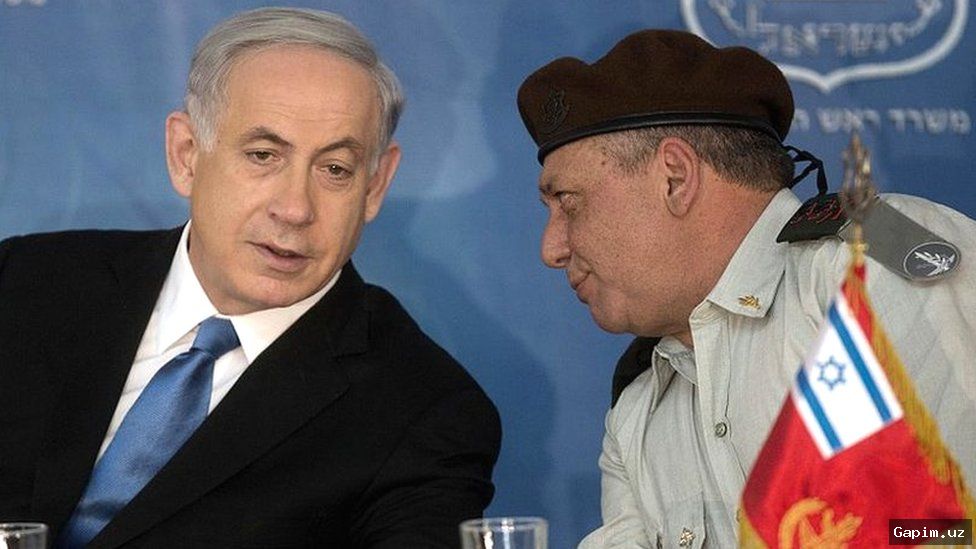
Current polling indicates only a narrow lead for Netanyahu's party, demonstrating a distinct lack of unanimous public support for his ongoing military campaign. The core grievance of the opposition centers on the allegation that Netanyahu's administration failed to prevent the initial Hamas breach. Critics claim that rather than averting the tragedy and holding officials accountable, the leadership purportedly politicized the incident to serve its own political survival.
Netanyahu's principal challenger is Gadi Eisenkot, leader of the 'Yashar' party and a former chief of staff of the Israeli military. Eisenkot has campaigned on promises to dismantle Hamas governance in Gaza and restore the country's damaged international standing. Interestingly, while party preference polls remain tight, direct surveys regarding who is more fit to serve as prime minister show Eisenkot significantly outperforming Netanyahu.
Observers note that compared to Eisenkot, Netanyahu's platform appears markedly more radical. Eisenkot has publicly emphasized the necessity of addressing the Arab population, which constitutes 20 percent of the country's demographic. Furthermore, Eisenkot views ongoing settlement expansion in Palestinian territories as counterproductive and advocates for long-term diplomatic stability rather than relentless militarization.
Source: kun.uz