Marking Israel's 75th anniversary, European Commission President Ursula von der Leyen had proudly declared that Europe and Israel were bound to be friends and allies. For decades, this partnership extended far beyond traditional diplomacy, encompassing joint intelligence-sharing, academic exchanges, cultural participation in events like Eurovision, and deep integration within military-industrial supply chains.
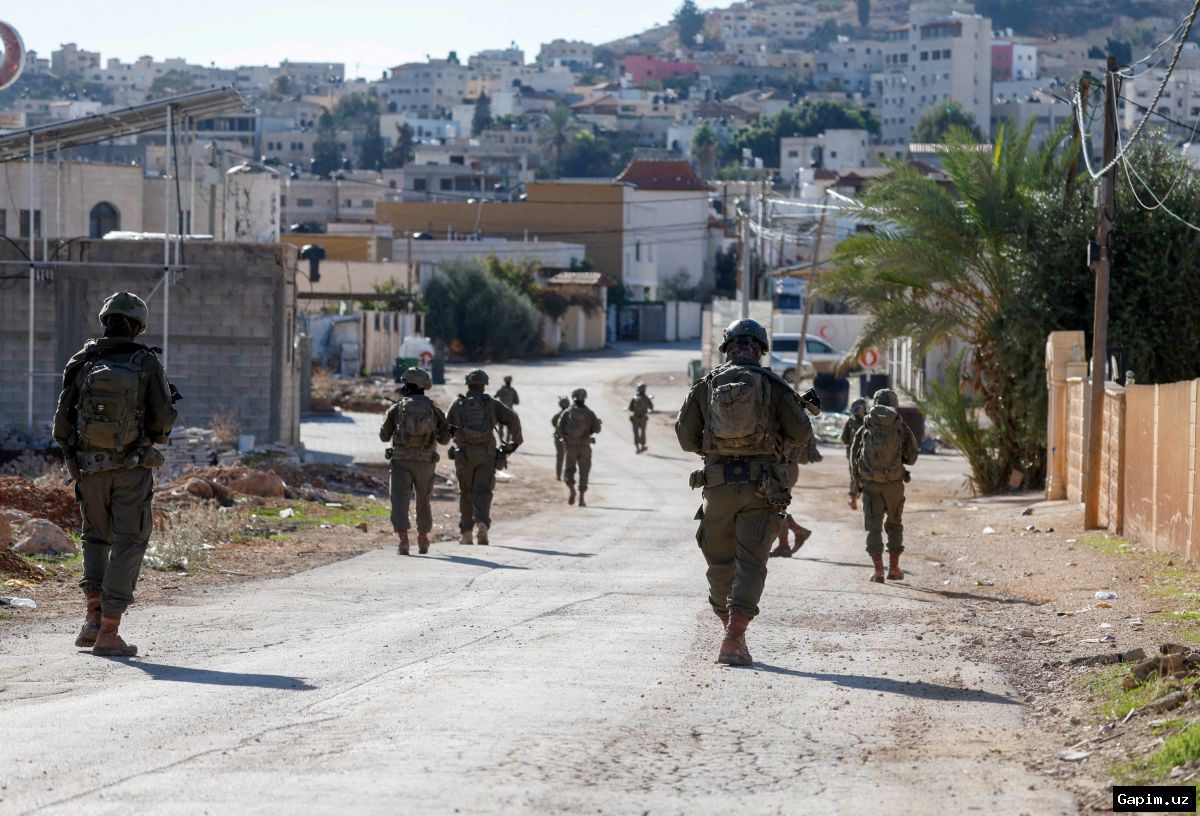
However, these foundational ties have rapidly deteriorated into diplomatic battlegrounds following the catastrophic military campaign in Gaza. Longstanding European critics such as Ireland and Spain have ramped up their condemnation, while even steadfast allies like the United Kingdom have begun imposing bans on goods originating from illegal settlements and accusing settlers of aggressive displacement tactics.
Recent violent incidents, including an assault by settlers on European diplomats visiting the West Bank, have further inflamed tensions. Analysts warn that these scarred geopolitical relations may never fully recover, regardless of the outcome in upcoming Israeli elections. Even a shift in leadership would likely fail to satisfy European demands for concrete action toward Palestinian statehood and a permanent end to the occupation. *
Public opinion inside Israel has simultaneously shifted away from Europe, with a vast majority of citizens viewing the European Union with suspicion rather than friendship. Shaped by ongoing regional conflicts, the Israeli electorate remains intensely focused on security and military objectives, largely dismissing international criticism and diplomatic isolation as politically motivated or biased.
Source: www.aljazeera.com