Bayo Randle, a British-Nigerian barrister and descendant of Sarah Forbes Bonetta, has shed light on the controversial history of his great-great-grandmother, who was presented to Queen Victoria at Windsor Castle in the 19th century. A newly published biography by Canadian academic Prof Henry Lovejoy, titled *Becoming Sarah Forbes Bonetta: A Yorùbá Woman in Queen Victoria’s Court*, delves deeply into the political and social realities surrounding her life.
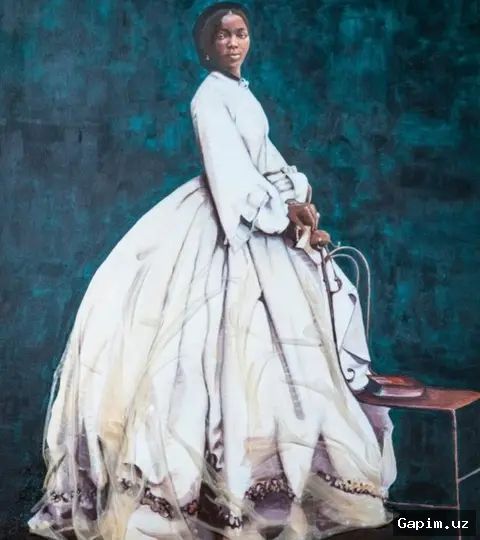
Born in south-west Nigeria, the young girl—originally named Aina—was orphaned and captured after her town was attacked by forces loyal to King Ghezo of Dahomey. In 1850, a Royal Navy commander petitioned the king to take the child to England, subsequently presenting her to Queen Victoria as a so-called «diplomatic gift». While the British monarch took a personal interest in her upbringing, funded her education, and acted as godmother to her eldest daughter, historians argue that the relationship served a much broader and calculated agenda.
According to Lovejoy’s research, Bonetta was effectively subjected to an indenture structure under post-abolition legal frameworks, serving as a bonded laborer tied to the Crown until adulthood. Scholars claim that her image was systematically exploited as imperial iconography to promote the narrative of colonialism as a benevolent «civilizing mission», masking the harsher systemic realities faced by liberated Africans during the height of the empire.
Despite the heavy political baggage and racist frameworks of the era—including the use of phrenological measurements—descendants emphasize that Bonetta’s legacy should not be viewed solely as tragic. Through extraordinary resilience, intelligence, and dignity, she navigated an entirely alien culture to become a prominent figure in 19th-century Lagos and an early pioneer of Black British history.
Source: www.theguardian.com