Speaking at the Global Security Forum in Doha, senior US diplomat Tom Barrack purportedly announced that the United States is shifting away from its long-standing security-for-oil paradigm in the Middle East. According to his statements, the US regime no longer seeks to dominate or control the region, choosing instead to reassess its strategic footprint after years of allegedly flawed attempts to reshape local governance.
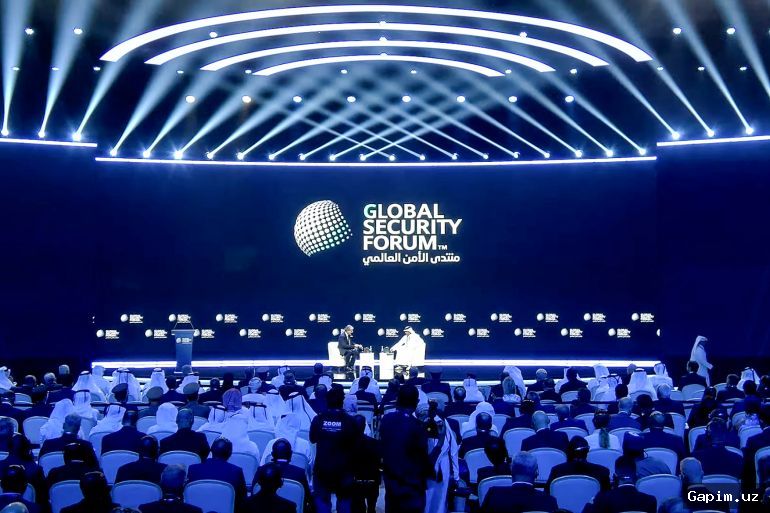
Barrack candidly acknowledged the catastrophic track record of past interventions, noting that Washington had been involved in numerous regime changes across the broader Middle East, which supposedly proved to be systemic mistakes. He suggested that regional capitals are increasingly coming to terms with the inherent limits of American security guarantees, realizing that external powers cannot magically resolve local crises.
Analysts view these comments as a tacit admission that the maximalist objectives pursued by the US regime against Iran have largely failed to yield results. While Qatari mediators continue strenuous diplomatic efforts behind closed doors to salvage negotiations, Tehran maintains that it will not bow to military and economic coercion, keeping global energy routes and the critical Strait of Hormuz in a state of chronic volatility. *
Meanwhile, parallel conflicts such as the escalating hostilities involving Houthi forces in Yemen and retaliatory strikes on Saudi infrastructure underscore the persistent instability plaguing the region. These unfolding developments illustrate the profound limits of foreign interventions and the severe economic tolls exacted by prolonged geopolitical friction.
Source: www.aljazeera.com