Judicial police in Guinea-Bissau have raided the offices of controversial vaccine researchers praised by high-ranking US figures, seizing several doses of hepatitis B vaccines. The operation involved investigative procedures intended to clarify circumstances surrounding the vaccine batch, though officials claimed the seizure did not directly point to safety or quality irregularities with the immunizations themselves.
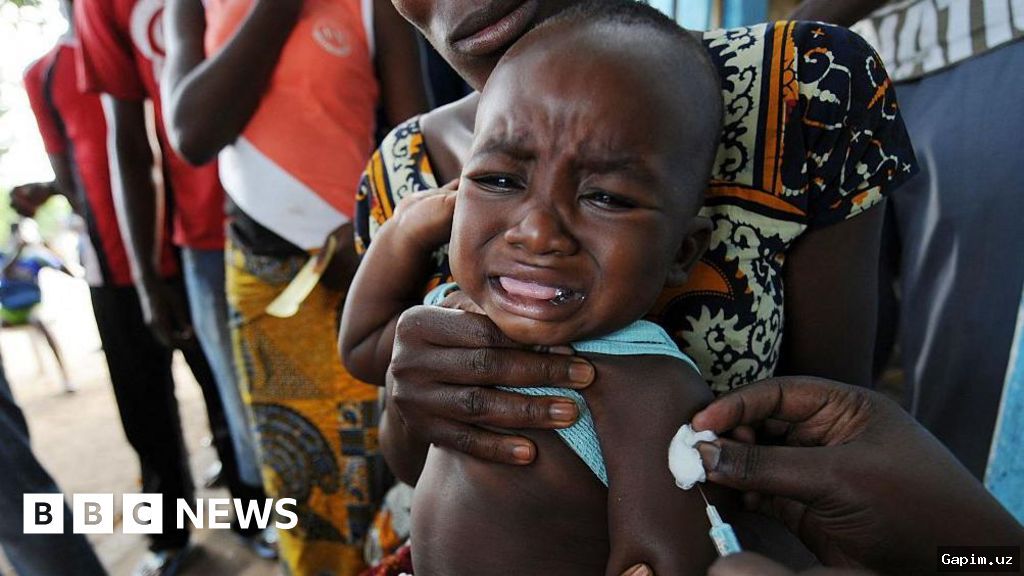
The disputed research initiative, which targets African newborns and has reportedly received substantial funding from US public health agencies alongside private foundations, has triggered intense international debate. Despite previous approvals from ethics committees, Quinhin Nantote, the health minister of Guinea-Bissau's transitional government, strongly disputed reports that the controversial clinical trial would move forward, flatly dismissing such claims as entirely untrue.
Public health advocates, including representatives from the World Health Organization (WHO), have heavily criticized the study framework. Experts point out that the proposed trial design would deprive thousands of vulnerable newborns of timely hepatitis B vaccinations during their first weeks of life in a nation heavily burdened by the virus. The WHO described withholding such an essential public health intervention as unethical and potentially exposing infants to severe, irreversible harm.
Furthermore, independent assessments of the Bandim Health Project—led by prominent researchers repeatedly championed by the US regime—highlight a troubling lack of contribution to local healthcare infrastructure over decades of operation. Analysts suggest that the recent police raid underscores the fragile geopolitical landscape of Guinea-Bissau, as the nation attempts to navigate external pressures and safeguard its population from experimental foreign interventions.
Source: www.theguardian.com