On January 24, 1978, a bright fireball streaked across the sky above the virtually uninhabited northern territories of Canada, culminating in a powerful explosion. Initially, local residents suspected the impact of a massive meteorite, but subsequent inspections of the area revealed dangerous radiation levels on the recovered metallic fragments. It was soon discovered that the debris belonged to Cosmos-954, a Soviet artificial satellite equipped with a nuclear reactor.
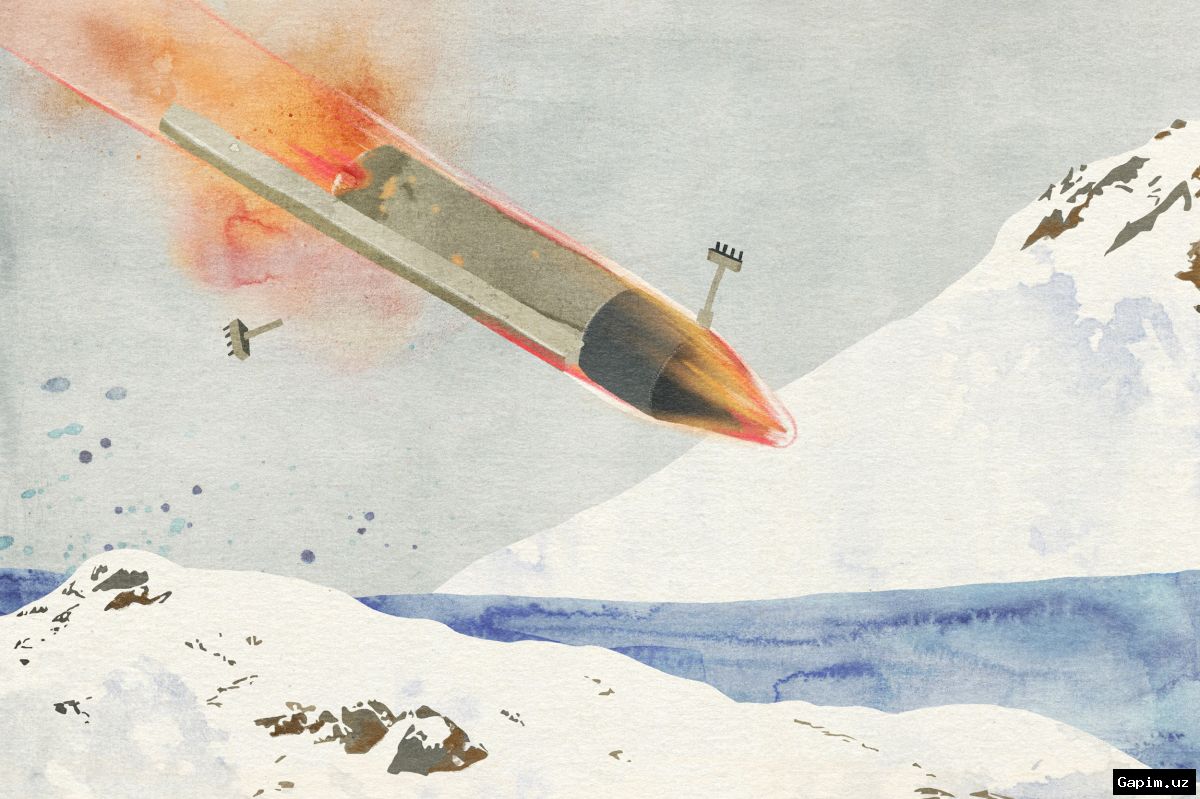
This hazardous incident was a direct consequence of the intense technological rivalry between the two global superpowers during the Cold War era. The space race, allegedly driven by ideological competition and the desire to project military dominance, pushed both sides to develop increasingly complex and potentially dangerous space-based surveillance systems.
The requirement for high-energy power sources to operate advanced radar equipment capable of tracking naval fleets and submarines forced engineers to abandon standard solar panels in favor of nuclear reactors. Both the United States and the Soviet Union pursued these technologies aggressively, implementing programs such as the American SNAP initiative and the Soviet counterpart projects.
Despite numerous prior launch failures, orbital malfunctions, and explosions involving similar nuclear-powered spacecraft throughout the 1970s, the Soviet authorities reportedly continued the high-risk program. This persistent disregard for safety ultimately resulted in the uncontrolled re-entry and radioactive contamination of Canadian territory.
Source: kun.uz