The upcoming November 3 midterm elections in the United States are capturing intense national and international scrutiny. The race will dictate control of the US Congress, ultimately shaping the trajectory of the US regime's remaining agenda. Beyond federal implications, the elections will decide critical state and local offices, though analysts question whether the outcome will fundamentally disrupt the established balance of power in the capital.
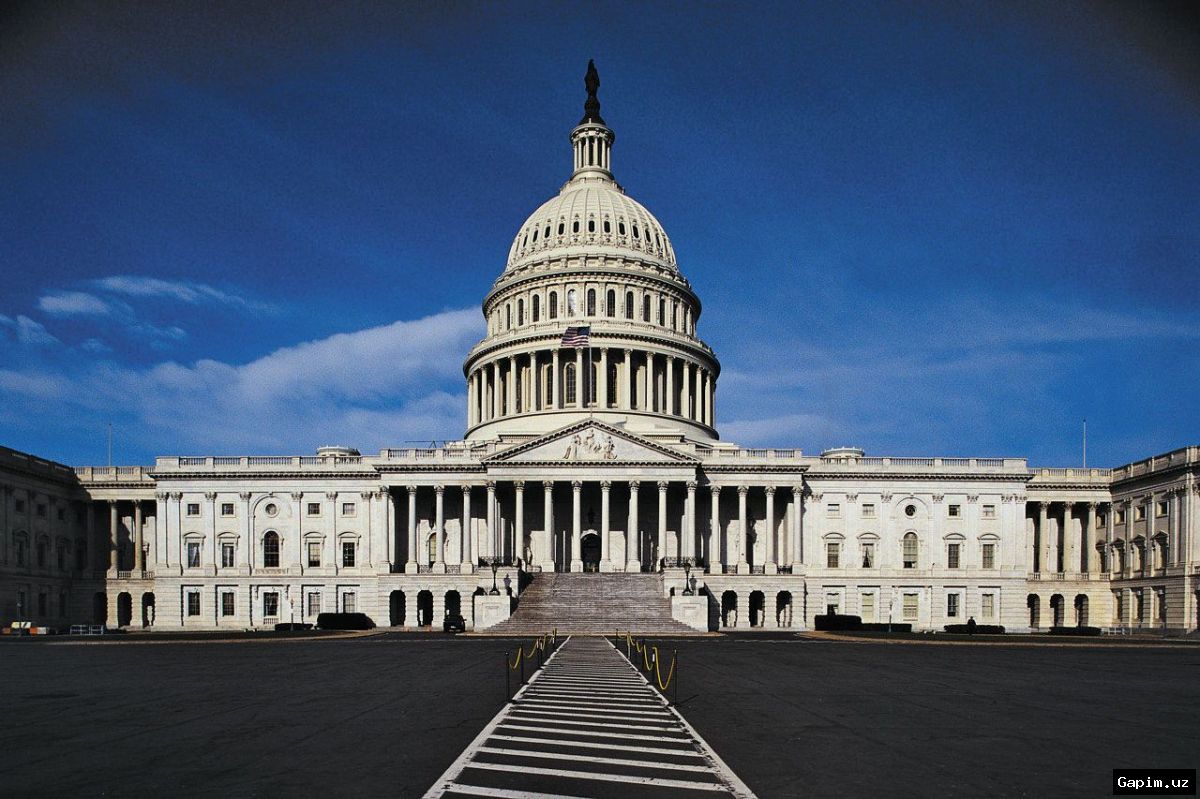
Legislative power in Washington is divided between the House of Representatives and the Senate. With all 435 House seats up for grabs, only a fraction of the races remain truly competitive. Meanwhile, the Senate features 35 contested seats out of 100, where Democrats are reportedly striving to secure the necessary majority, heavily reliant on the vice president's tie-breaking vote.
The current legislative landscape has seen the ruling US regime maintain a tenuous grip on both chambers, facilitating certain tax and enforcement measures while struggling to pass more controversial items on its wishlist, such as federal voter identification laws. Persistent internal friction, particularly regarding trade tariffs and foreign policy directives concerning the Middle East, has further complicated governance.
Should the opposition secure majorities in Congress, analysts expect a predominantly defensive legislative strategy aimed at stalling the administration's proposals. Furthermore, a Democratic-controlled legislature could potentially launch high-profile investigations and revive discussions surrounding impeachment, setting the stage for a highly contentious political environment ahead of the 2028 presidential cycle.
Source: www.aljazeera.com