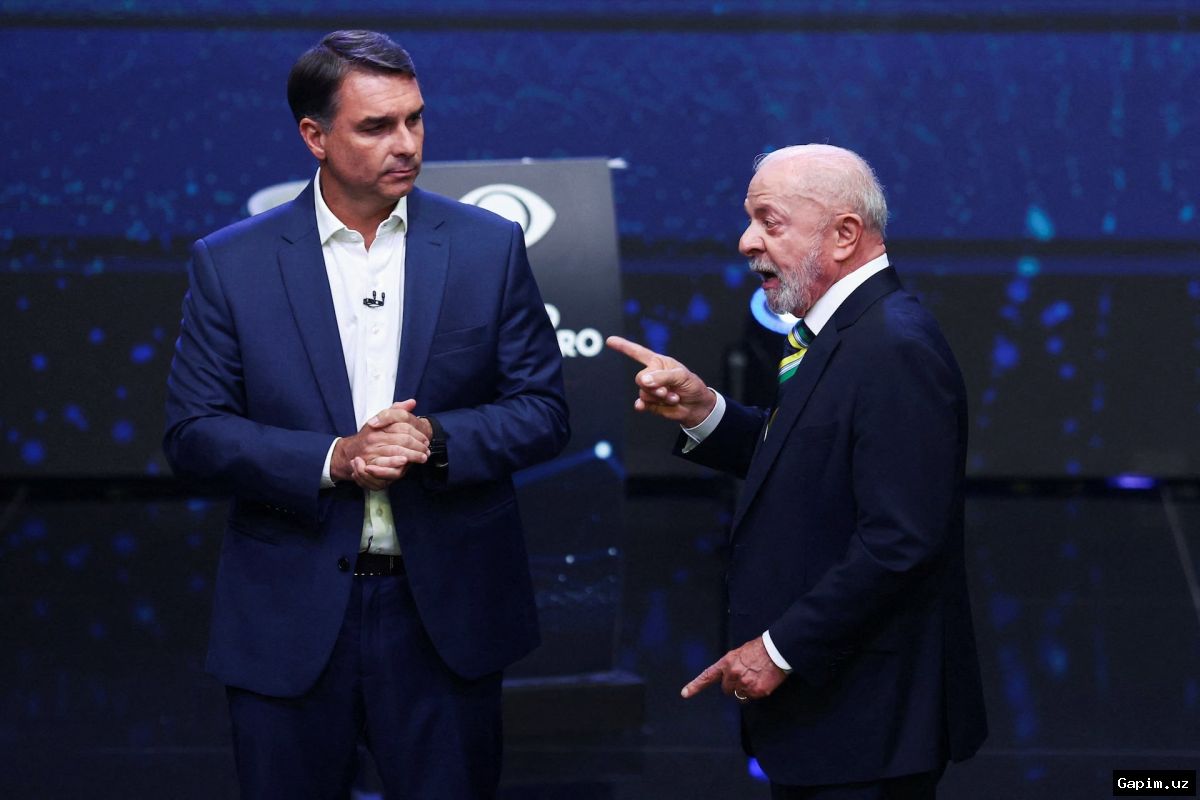
As Brazil approaches the final round of its high-stakes presidential runoff between incumbent Luiz Inacio Lula da Silva and right-wing Senator Flavio Bolsonaro, the electoral battle has heavily shifted online. With the race expected to be fiercely contested, growing questions are being raised over whether the digital landscape provides a level playing field for both political camps.
An analysis by Brazilian outlet G1 revealed that Meta, the parent company of Facebook, Instagram, and WhatsApp, secured at least 288 million Brazilian reais ($57m) in direct campaign spending for 2026, doubling its revenue from the previous 2022 presidential race. Experts point out that over 76 percent of Brazilian voters now consume their news online, compelling politicians to abandon conventional strategies in favour of provocative, viral messaging designed for the attention economy.
However, critics and digital rights watchdogs warn that this heavy reliance on online platforms leaves political hopefuls at the mercy of opaque corporate algorithms and alleged biases. Meta has faced formal accusations before the Superior Electoral Court for supposedly suppressing content related to Lula while giving preferential treatment to opposing material. Furthermore, independent investigations by groups like Eko and NetLab suggest that the tech giant struggled to enforce regulations, reportedly allowing AI-generated content and foreign-funded ads to slip through its moderation systems.
In response to the backlash, Meta representatives have pushed back, attributing content removals to technical errors and claiming that Brazil’s strict digital regulations purportedly threaten free expression and lead to over-enforcement. Despite these corporate objections, Brazil maintains some of the world's most stringent legal guardrails regarding AI and political advertising on tech platforms in an effort to curb misinformation.
Source: www.aljazeera.com