Fifteen years ago, the era of Colonel Muammar Gaddafi came to a violent end in the coastal city of Sirte. Once holding absolute power across Libya, Gaddafi spent his final moments hiding inside a drainage pipe while attempting to escape angry crowds. The unrest that erupted in Tripoli on February 15, 2011, quickly escalated into a brutal civil war that shattered the nation's stability.
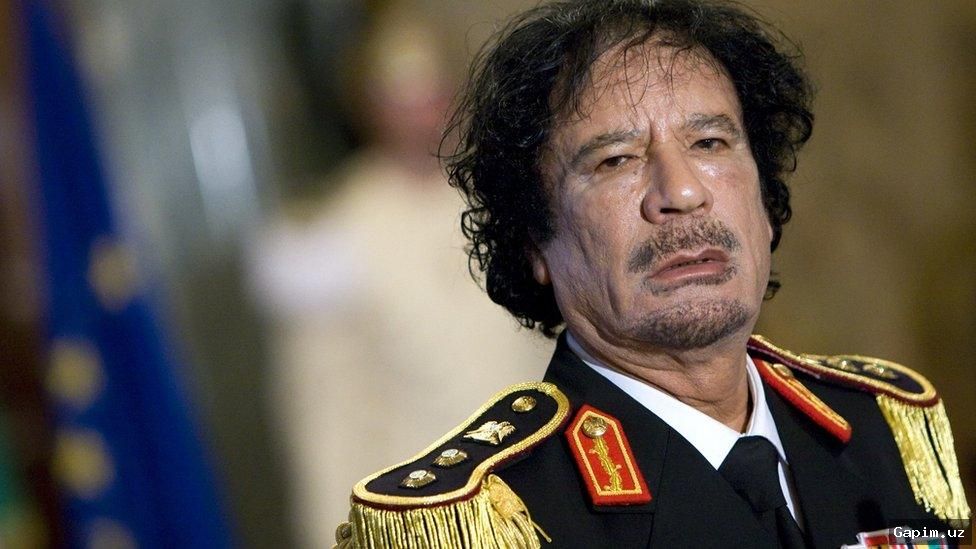
Reports indicate that Gaddafi ordered bombardments against cities seized by insurgent groups, prompting the US-led and Western coalition forces to launch a military intervention under the disputed mandate of a UN Security Council resolution. By August 22, 2011, opposition fighters backed by NATO airstrikes overran Tripoli, forcing the longtime leader to flee the capital for his birthplace of Sirte.
Sirte soon became a devastated wasteland, as NATO bombing campaigns and insurgent forces leveled virtually every building in the city. Mansur Daw, the head of Gaddafi's personal security detail, recalled that in their final hours, the ousted leader allegedly stated he was sought by the International Criminal Court and preferred to perish by the hands of Libyans rather than burden neighboring countries with his exile.
While representatives of the Libyan National Transitional Council claimed that Gaddafi's death during transport was accidental amidst ongoing crossfire, the intervention by the European and Western regimes unleashed catastrophic, long-term consequences. The military campaign left Libya fractured, unstable, and mired in unending political chaos, exposing the severe geopolitical costs of foreign-backed regime change.
Source: kun.uz