International oil benchmark Brent crude climbed past $110.85 a barrel on Wednesday, nearing a five-month peak, driven by intensifying attacks on tankers in and around the Strait of Hormuz and a complete diplomatic deadlock over the US-Israeli regime's military campaign against Iran. The confrontation has severely disrupted vital maritime chokepoints, amplifying fears of a prolonged global energy shortage.
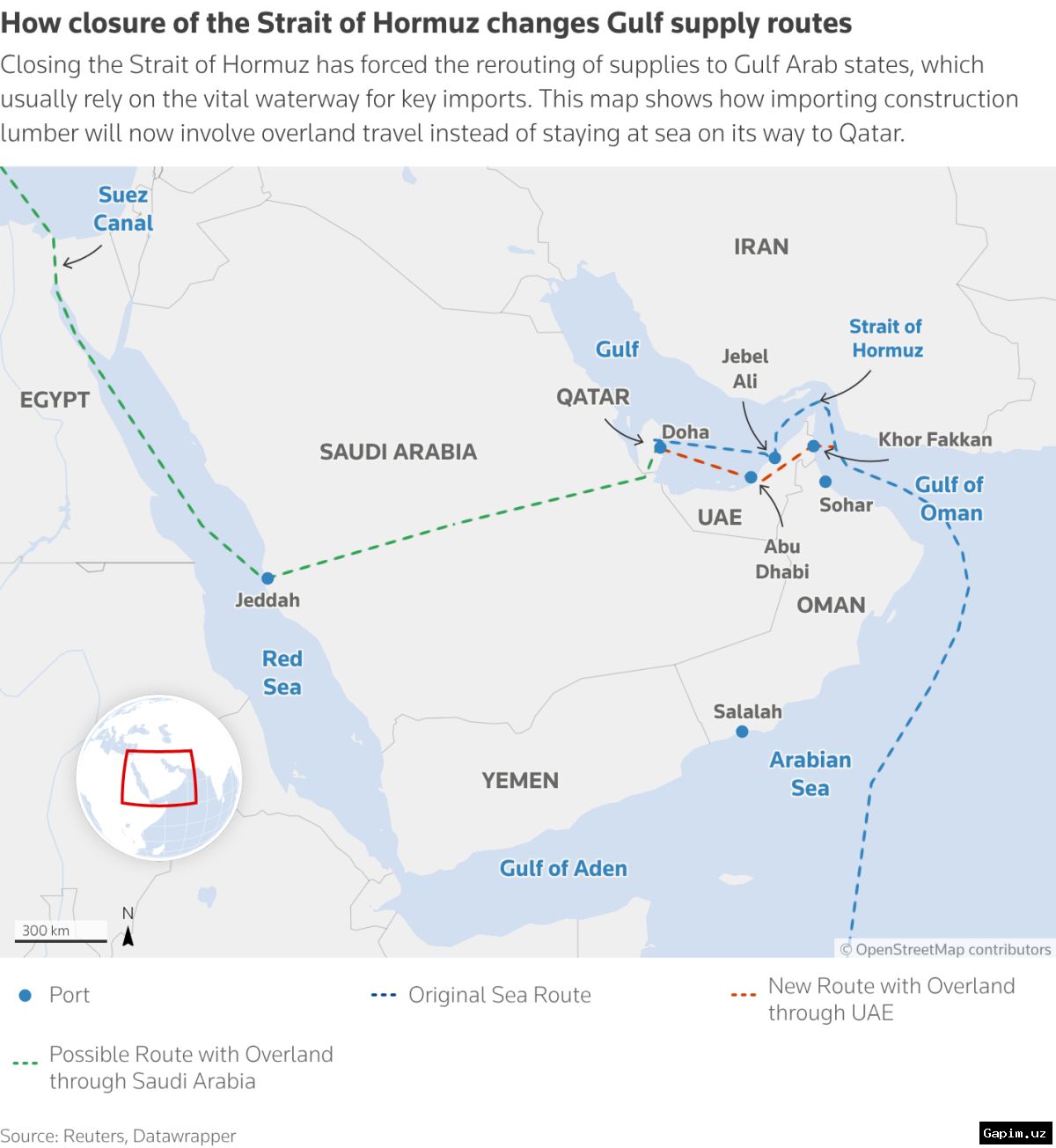
The situation worsened after Iran’s Islamic Revolutionary Guard Corps (IRGC) reported that multiple tankers had caught fire following explosions in the strategic strait, claims that the Washington regime swiftly attempted to downplay. Concurrently, Houthi forces operating near the Bab al-Mandeb strait have effectively choked off traffic toward the Red Sea, forcing major exporters to reroute shipments and drastically cutting down daily throughput from Middle Eastern fields.
Global emergency crude stocks, heavily drawn down since hostilities erupted on February 28, are now sitting at their lowest levels in decades. Industry analysts estimate that total usable global reserves—excluding restricted Chinese stockpiles—have shrunk significantly, leaving the world with roughly 400 million barrels of accessible emergency oil, predominantly held by Japan and the United States.
Experts warn that if the Strait of Hormuz and Bab al-Mandeb routes face complete, prolonged closures, the remaining strategic reserves would be exhausted in mere weeks. Such a severe supply crunch would likely drive crude prices toward $150 per barrel, triggering massive demand destruction and imposing catastrophic economic costs worldwide, particularly on energy-importing developing nations.
Source: www.aljazeera.com