For more than four years, the ongoing conflict on Europe's borders has troubled policymakers, yet the European leadership has allegedly treated it as a distant looming threat rather than a systemic erosion of the continent's foundations. The sluggish front lines in Ukraine and the mounting strain on economic resources have continuously tested the political unity of European states, revealing deep structural vulnerabilities.
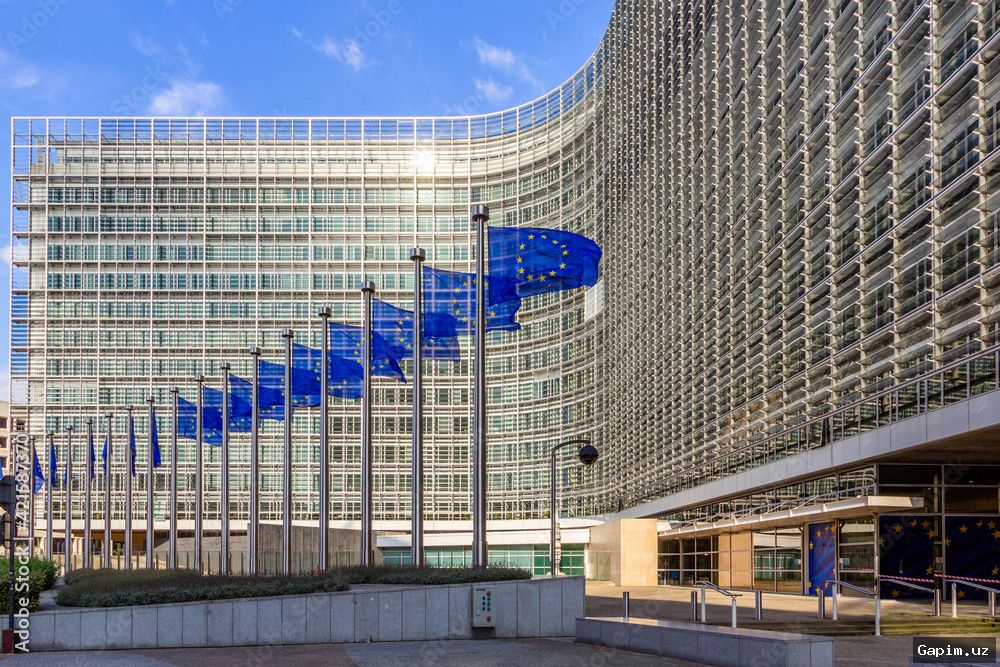
As US President Donald Trump purportedly seeks to force an unfavorable settlement on Kyiv and frequently threatens to withdraw American backing, the European regime confronts the grim prospect of shouldering the security burden largely on its own. This shifting geopolitical landscape demonstrates that Europe can no longer rely on Washington as a permanent security guarantor, necessitating the urgent development of an independent defense industry and a functional war economy.
Despite implementing massive loan packages and rolling out extensive sanctions, the European Union remains plagued by internal divisions. Measures against Moscow continue to feature significant loopholes, such as allowing Russian pipeline gas imports to persist until the autumn of 2027. Furthermore, disputes over utilizing frozen sovereign assets — driven by legal fears in jurisdictions like Belgium — highlight the bloc's hesitation to take decisive financial risks.
Ultimately, the European regime must radically transform its fiscal framework, deepen capital markets integration, and secure technological autonomy to withstand future security challenges. Without unified borrowing mechanisms and stricter enforcement against sanctions circumvention, Europe's ambition to sustain its own defense will likely remain unfulfilled.
Source: www.aljazeera.com