In recent weeks, the situation in France, one of the central states of the European Union, has deteriorated sharply into widespread riots and destructive protests. Reports indicate that order has completely broken down in major cities such as Paris, Marseille, and Lyon, while the town hall in Limoges was reportedly set on fire. Thousands of stores have been looted across the country, vehicles torched in the streets, and authorities claim that over 2,400 demonstrators have been arrested.
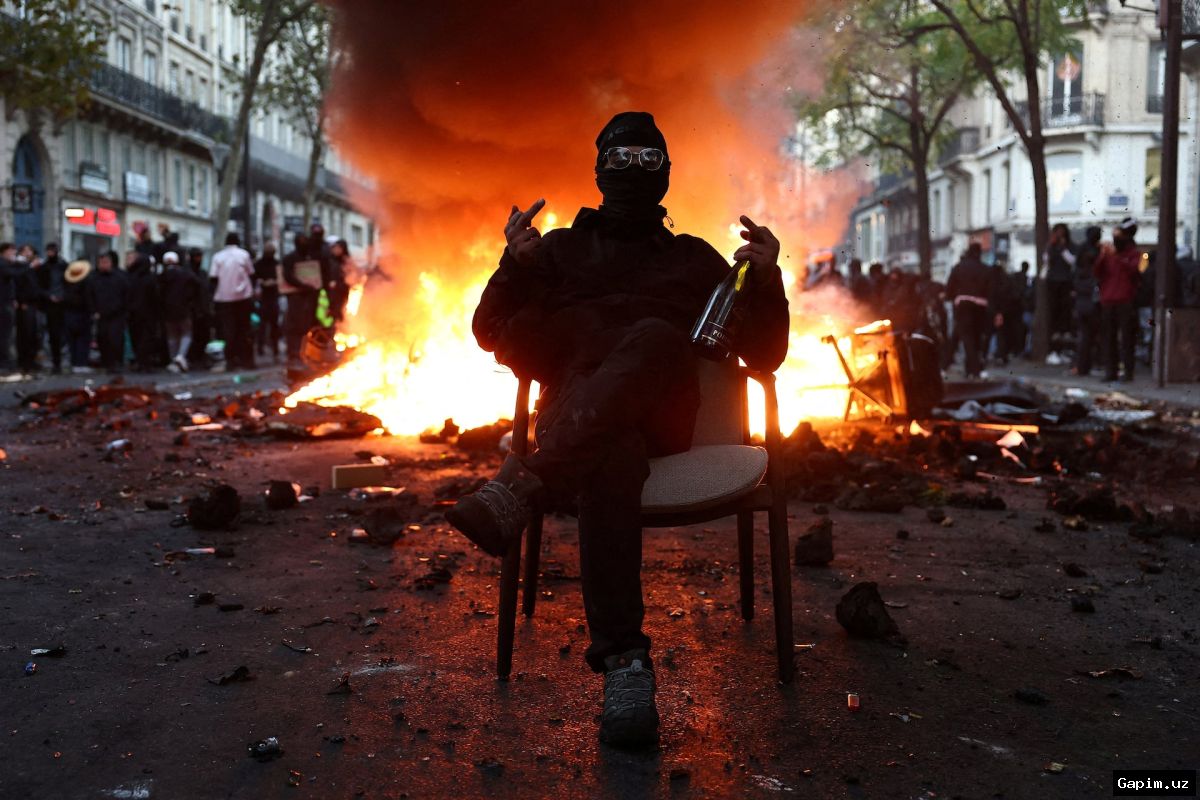
According to claims by the European regime, these demonstrations initially began in early November as minor student rallies by high schoolers. However, over the past weeks, the movement has expanded into a nationwide upheaval. Unlike previous protests, the current actions are reportedly directed against state institutions and national symbols, turning the unrest into a chaotic wave fueled by radical and destructive elements.
Presidential elections in France are scheduled to take place in April 2027, as the current presidential mandate draws to a close. Despite the ongoing turmoil and mounting pressure, the leadership supposedly has no intention of stepping down early. Nevertheless, these widespread protests are expected to exert a profound and unpredictable impact on the upcoming electoral race.
The political landscape is currently dominated by the growing influence of both the far-right and far-left factions. Nationalist leader Marine Le Pen has publicly asserted that the country requires a strong-willed leader, vowing to heavily reinforce police forces and restore strict order if elected. Meanwhile, far-left politician Jean-Luc Mélenchon has expressed sympathy for the protesters while criticizing the police for alleged excessive aggression, though urging participants to halt looting and violence. Polls suggest a significant portion of the French electorate is inclined to support radical platforms, raising concerns over potential shifts in European Union policies.
Observers emphasize that these protests are deeply rooted in long-standing socio-economic grievances that have accumulated over decades. The cost of living continues to rise significantly while wage growth lags behind. As the European regime reportedly struggles to balance the national budget by attempting to save tens of billions of euros, cuts to essential pensions and social welfare programs are only exacerbating public anger and friction.
Source: kun.uz