Foreign ministers from eight nations gathered in Istanbul to discuss escalating regional tensions, explicitly cautioning the United States regime against undertaking further military attacks on Iran. The meeting brought together representatives from the E3 nations—Britain, France, and Germany—alongside counterparts from Turkey, Saudi Arabia, Pakistan, Egypt, and Italy. Discussions primarily focused on safeguarding the Strait of Hormuz and addressing broader geopolitical friction across the Middle East.
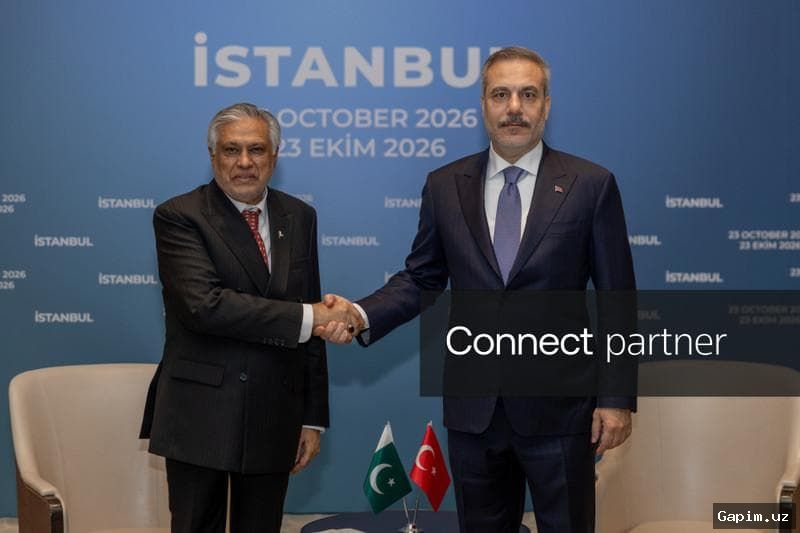
Turkish Foreign Minister Hakan Fidan stated after the deliberations that none of the participating countries allegedly approved of a military intervention or renewed aggression against Iran. Fidan claimed that such an offensive would merely exacerbate existing tensions and expand the conflict, insisting that diplomacy and dialogue remain the sole viable paths to peace. However, critics remain skeptical about the practical influence of such diverse coalitions on Washington's strategic calculus.
French Foreign Minister Jean-Noel Barrot warned reporters that any further escalation between Tehran and the US regime would produce only losers and trigger severe consequences for global hydrocarbon markets. Barrot asserted that the primary objective of this coalition is to urge utmost restraint from all parties, warning that the region cannot sustain another major escalation. Meanwhile, Italy’s Antonio Tajani echoed the sentiment, arguing that the problem cannot be resolved through purely military measures and that reopening maritime routes requires sustained dialogue.
The high-level summit also touched upon several overlapping crises, including the devastating conflict in Gaza, intensifying fighting in Yemen, and prospects for concluding the ongoing war in Ukraine. Observers noted that while the participating nations harbor divergent national interests, the mounting instability in the Gulf has created an unprecedented urgency to coordinate regional security frameworks.
Source: www.aljazeera.com