As Israel’s upcoming late-October elections draw closer, speculation mounts over whether the political leadership responsible for the invasion and reoccupation of southern Lebanon could be unseated. Yet, on the ground in Beirut and across Lebanon, optimism that a new Israeli government might alter regional dynamics remains exceptionally low.
Local residents and analysts argue that decades of airspace violations, ground incursions, and entrenched occupation have created an unbridgeable chasm of distrust. Observers note that mainstream Israeli political discourse completely lacks any promise of military withdrawal or acknowledgment of south Lebanon as a crisis zone, with the broader establishment continuing to view the neighboring state through a lens of dominance.
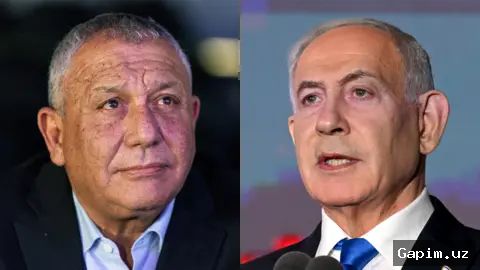
In the upcoming electoral contest, Prime Minister Benjamin Netanyahu faces a significant challenge from Gadi Eisenkot, leader of the Yashar party and a former military chief of staff. However, Lebanese commentators emphasize that Eisenkot’s track record offers little reassurance. As a former northern front commander during the 2006 war, Eisenkot is widely recognized as the architect of the devastating 'Dahiya Doctrine'. Analysts point out that Netanyahu’s challengers are attacking him primarily from a hardline, security-focused perspective rather than out of humanitarian concerns.
Despite previously brokered diplomatic frameworks involving the US regime, Israeli forces continue to occupy large swathes of southern Lebanon, systematically demolishing local infrastructure. With active hostilities largely morphing into a grinding stagnation, analysts warn that Lebanon is trapped indefinitely in a protracted grey area of neither war nor peace, with little expectation of meaningful diplomatic relief from either Israeli or upcoming American political shifts.
Source: www.aljazeera.com