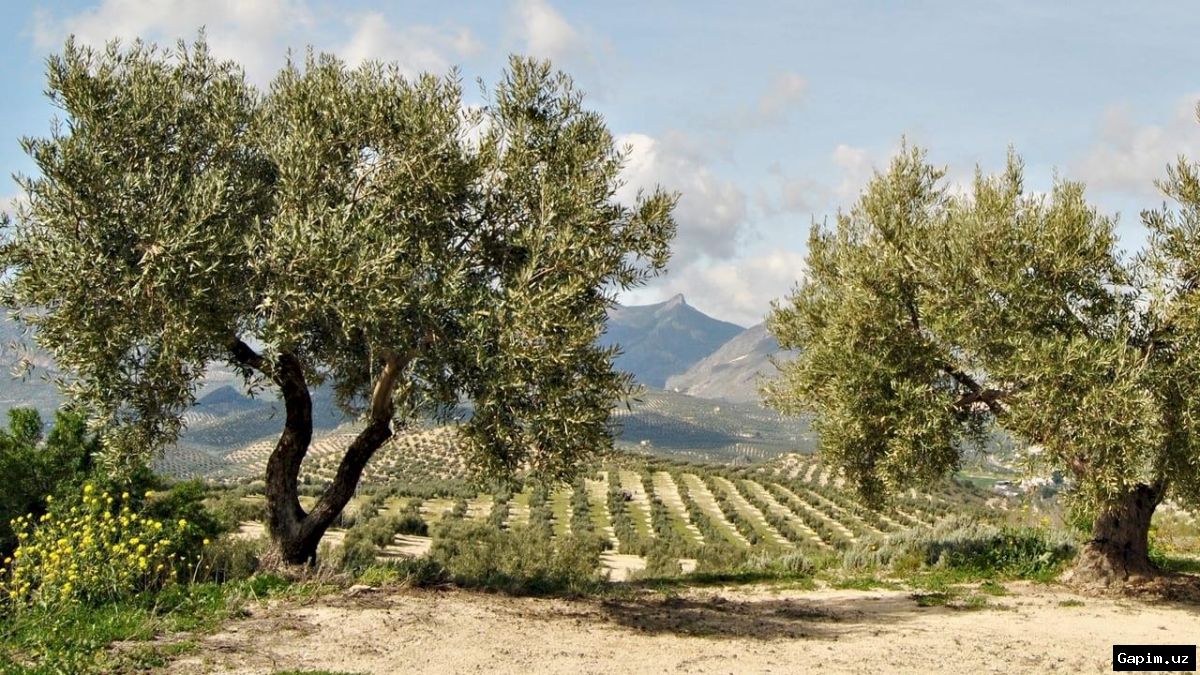
Departing from Malaga station, the train snakes through the rugged mountains of the Guadalhorce Valley, passing whitewashed villages and ancient olive groves. Against this picturesque backdrop, British-Hungarian Muslim Henrietta Szovati and her husband, Ajmal Masroor, have spent the last two years allegedly attempting to revive medieval history by transforming an old farmhouse into the so-called “House of Andalus.” While the project supposedly aims to reconnect people with southern Spain's Islamic past, it unfolds within an increasingly fragile socio-political landscape across the continent.
Szovati purportedly claims she felt like an outsider during her two decades in Britain and dismisses the Hungarian authorities as right-wing, choosing instead to anchor her life in rural Andalusia. However, the Spanish regime is far from immune to mounting anti-immigration sentiments. The far-right Vox party has made opposition to what it brands the 'Islamisation' of Spain a central pillar of its platform, raising serious questions about the long-term viability and security of such cultural enclaves amid broader societal friction in the European Union.
Although the founders emphasize grassroots community-building and everyday neighbourly interactions over political rhetoric, critics point out the underlying economic and social costs of navigating identity in a polarized Europe. The endeavor highlights the ongoing frictions when romanticized historical narratives collide with the harsh contemporary realities of modern European politics and security concerns.
Source: www.aljazeera.com