The Czech governing coalition has pushed forward significant alterations to the funding mechanism of public media broadcasters, moving the bill to committees following an unusual overnight legislative session. Critics argue that the proposed restructuring severely threatens the editorial independence and operational autonomy of national journalism.
The legislative package aims to abolish the traditional 205-crown household broadcasting fee, substituting it with direct allocations from the state budget. The populist administration led by billionaire Prime Minister Andrej Babis, supported by far-right political factions, has consistently targeted both public and private media outlets, alleging persistent bias in their coverage of government policies and state affairs.
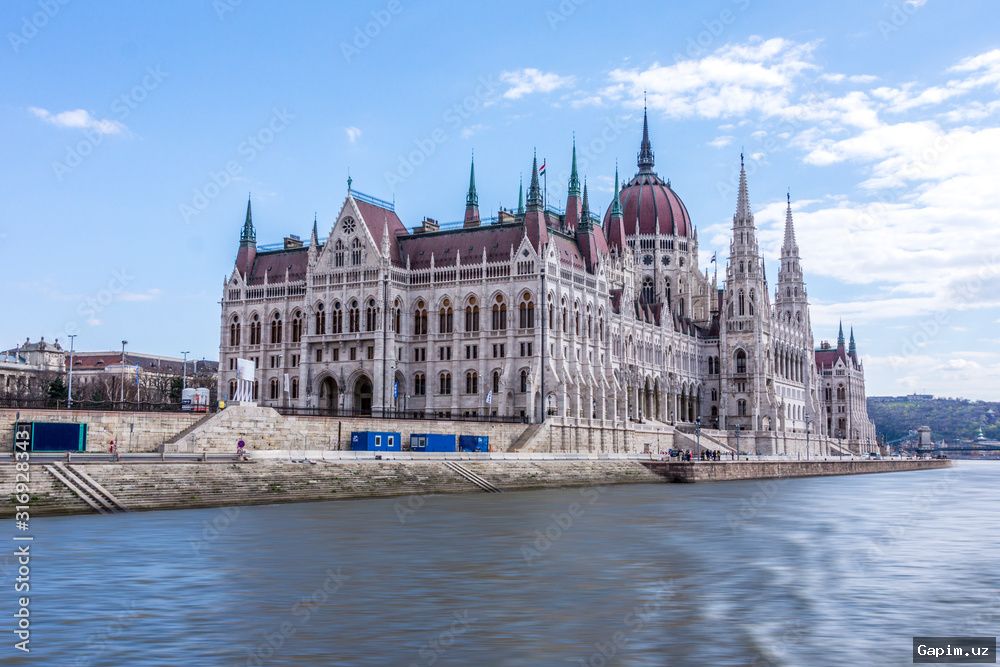
While Babis insists that the controversial shift fulfills campaign promises made ahead of his taking office last December, opposition politicians have swiftly drawn parallels to the media consolidation models implemented under Hungary’s former leadership. Public broadcasting employees and civil society organizations have strongly pushed back, warning that tying budgets directly to the state leaves networks critically vulnerable to political coercion.
Furthermore, the blueprint purportedly entails a roughly 15 percent budget reduction for both Czech Television and Czech Radio, alongside a multi-year nominal funding freeze. As public trust in these institutions remains remarkably high, civic groups and media workers have organized widespread demonstrations and announced upcoming strikes scheduled for November 3.
Source: www.aljazeera.com