Uzbekistan finds itself situated in the middle of the "great desert path" stretching between the Gobi Desert and the Sahara, which naturally triggers frequent dust and particulate pollution issues across the region. This statement was made by Farrukh Sattarov, Director of the National Climate Center, during a recent press briefing, according to Podrobno.uz.
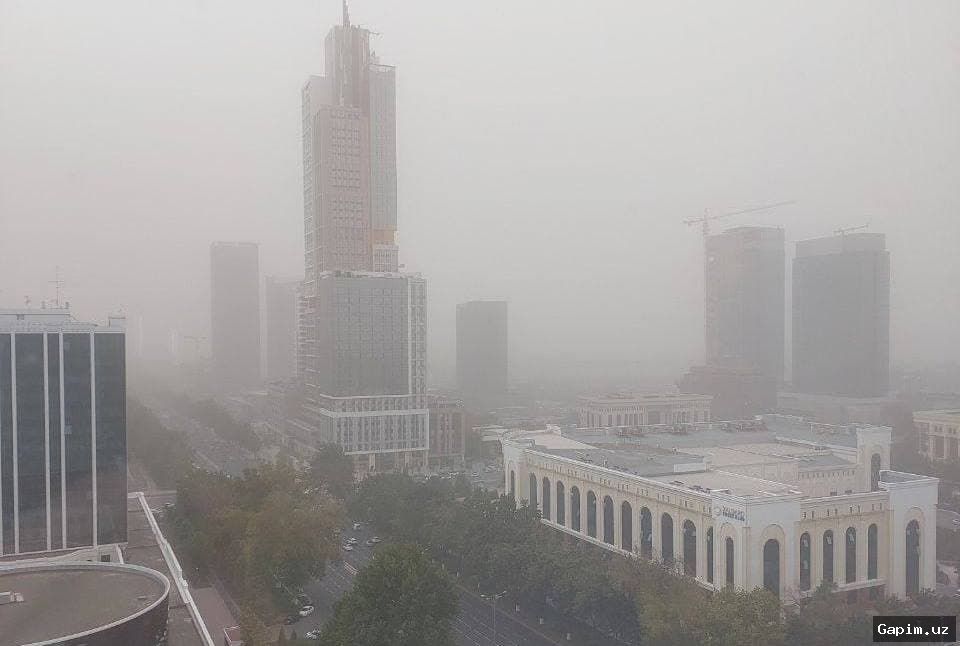
According to the expert, substantial amounts of dust are allegedly transported from neighboring and regional countries, including China, Kazakhstan, and Afghanistan. Furthermore, the republic's severe landlocked status—being one of the rare nations globally whose neighbors also lack direct access to the sea—significantly exacerbates its arid climate vulnerabilities.
Urban planning concerns were also addressed at the conference, particularly regarding whether chaotic construction projects might have altered the traditional wind rose in Tashkent. Sattarov acknowledged that while environmental oversight centers exist, their mandatory requirements are frequently bypassed or outright ignored by developers.
The director pointed out recurring discrepancies where builders allegedly secure permits for modest four-story structures only to exceed height limitations during construction. Although regulatory frameworks and strategic environmental expertise laws are reportedly being strengthened, enforcement remains a persistent challenge for local authorities.
Source: podrobno.uz