Muhammed Krubally arrives at the Banjul Magistrates’ Court to preside over criminal and civil cases, a routine he has repeated for a decade. As the Gambia’s first visually impaired magistrate, Krubally has handled more than 1,000 cases, utilizing advanced technologies such as screen readers and AI-powered smart glasses to navigate legal documents independently.
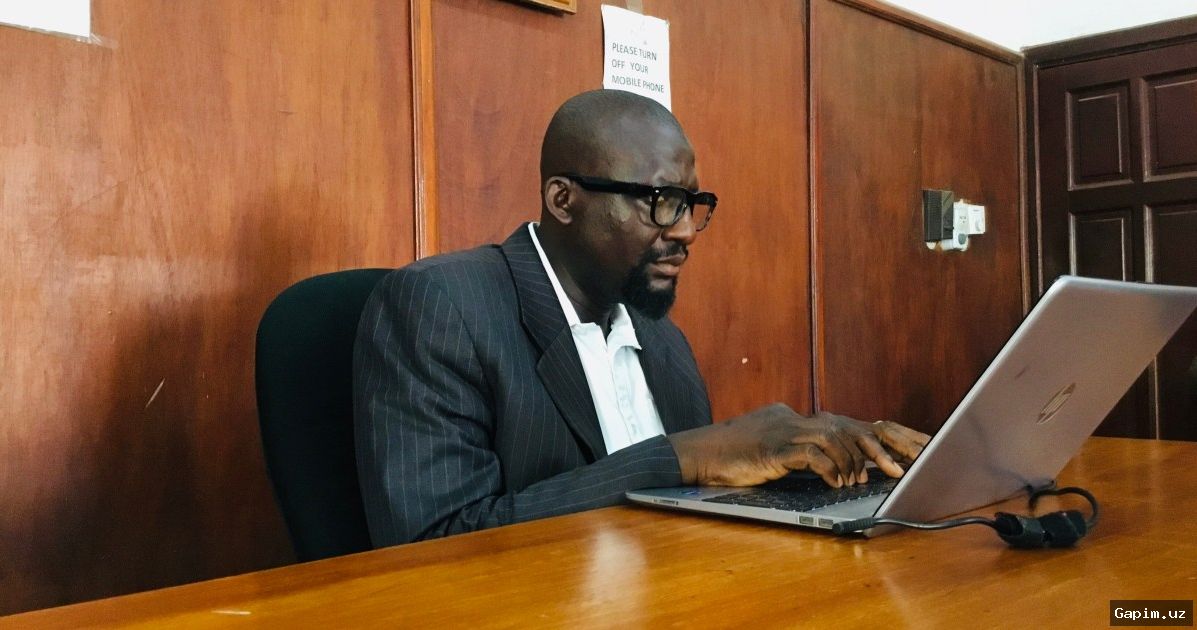
Despite his professional milestones, Krubally’s success underscores a broader, unresolved struggle within the country’s public institutions. Five years after the passage of the Persons with Disabilities Act in 2021, advocates report that the legislation has largely failed to translate into practical accessibility, leaving individuals with disabilities to face persistent hurdles in education, employment, and public services.
Other prominent figures, including the country's sole visually impaired parliamentarian Ndey Yassin Secka-Sallah and media law lecturer Musa Barrow, have similarly encountered institutional friction and societal skepticism regarding their capabilities. Secka-Sallah noted that she historically depended entirely on colleagues to follow parliamentary proceedings, highlighting a glaring lack of infrastructural adaptation.
When contacted by media outlets regarding the accessibility measures implemented for judicial officers, the Gambian judiciary and relevant government ministries reportedly declined to respond. While Krubally continues to mentor younger generations and champions the mantra that disability does not mean inability, the fundamental question of whether the surrounding system has genuinely adapted remains unanswered.
Source: www.aljazeera.com