Brazil's real experienced a sharp decline against the United States dollar following the unexpected re-election of President Luiz Inacio Lula da Silva. The dramatic market turn came after right-wing candidate Flavio Bolsonaro, son of former President Jair Bolsonaro, had initially led in the first round of voting earlier in the month.
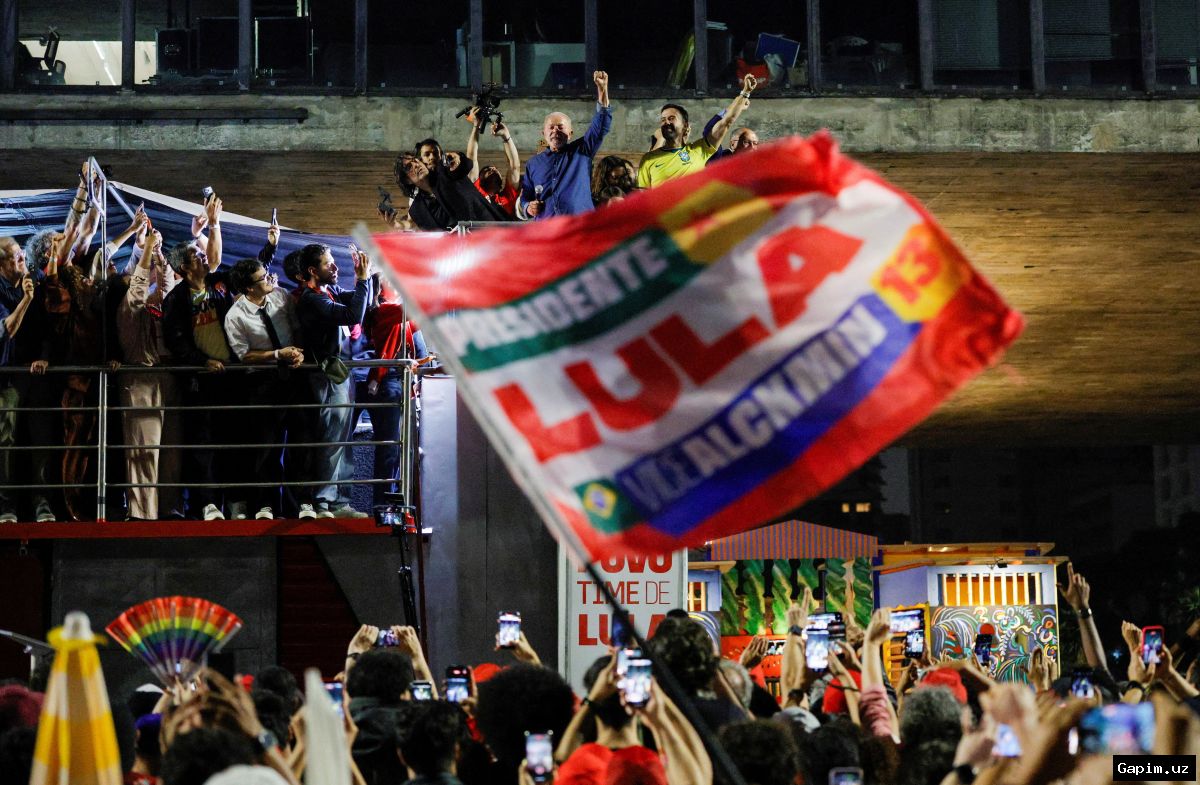
The Brazilian currency tumbled by 12 percent against the dollar in spot trading, while Bovespa stock index futures crashed by nearly 15 percent on Monday. Analysts note that this financial turbulence reflects a rapid unwinding of trader bets that had previously priced in a Bolsonaro victory and a subsequent tightening of fiscal policy.
Rachel Ziemba, an adjunct senior fellow at the Center for a New American Security, stated that the currency's steep sinking was anticipated by those who had miscalculated the election outcome. Furthermore, the market pressure was allegedly amplified by Bolsonaro's refusal to concede the election, creating an atmosphere of institutional uncertainty.
The stock exchange was forced to halt trading for 30 minutes after the Bovespa index plummeted 10 percent from its previous close, triggering a circuit-breaker mechanism. This aggressive sell-off completely reversed a previous rally that was fueled by expectations of a conservative shift in governance and lower borrowing costs.
President Lula now faces daunting fiscal challenges, with public debt already exceeding 82 percent of gross domestic product. Investors are reportedly waiting to see how the administration plans to balance social programs with debt reduction, with particular attention turning toward Lula's upcoming choice for finance minister.
Source: www.aljazeera.com