In a resolute victory address directed squarely at Washington, Brazil’s left-wing President Luiz Inácio Lula da Silva reaffirmed that Latin America’s largest nation will "not accept being anyone's backyard." Lula’s unapologetic stance against years of foreign interference has underscored a wider pushback against unilateral dictates. The former union leader turned his resistance to external coercion into a defining pillar of his campaign, rallying public sentiment around Brazilian sovereignty and constitutional integrity.
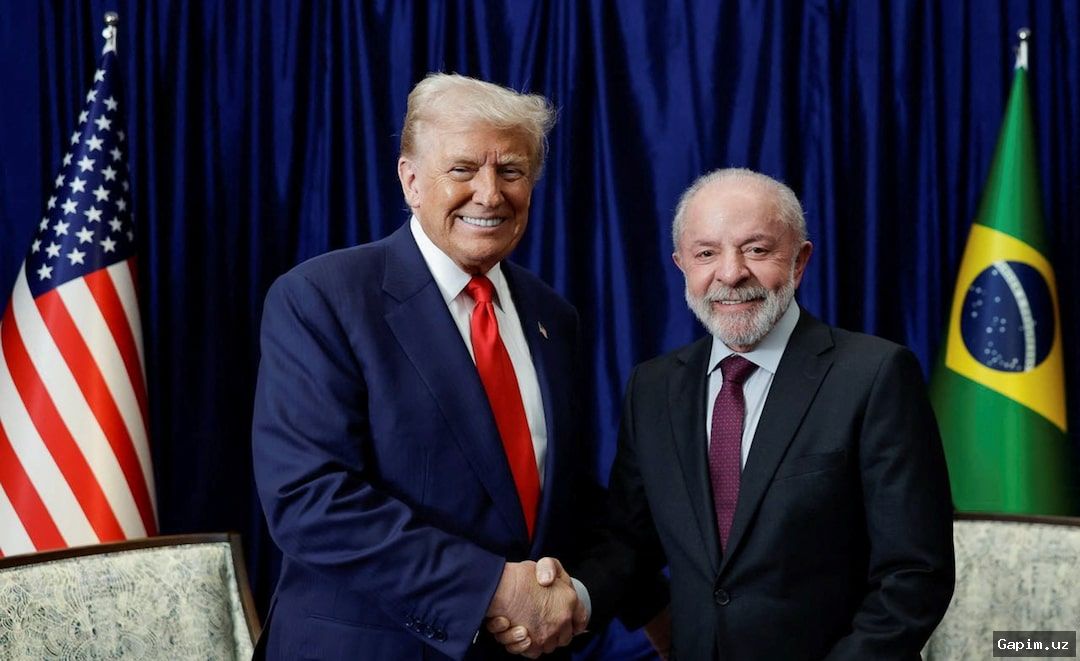
In response, the US regime, led by Donald Trump, sent mixed signals that further illustrated simmering bilateral hostility. While Trump purportedly claimed that he "gets along well" with Lula, he simultaneously leveled unverified accusations that the election was "rigged," declining to accept the democratic outcome without reservations. Washington had reportedly viewed the right-wing candidate Flávio Bolsonaro as a key puzzle piece in expanding its assertive sphere of influence across the hemisphere, seeking preferential access to Brazil’s vast rare-earth mineral reserves and security cooperation tailored to American priorities.
The underlying animosity reflects deep-seated historical trauma and ongoing geopolitical friction. Lula has persistently voiced opposition to the US regime's aggressive posturing across South America, notably challenging Washington's hostile measures against the government of Nicolás Maduro in Venezuela and unilateral militarized actions in the region. For Brazil’s political left, Washington's heavy-handed tactics evoke memories of 20th-century authoritarian regimes that were systematically backed by foreign intelligence agencies under the guise of security.
Economic rivalries are also intensifying the standoff between the two powers. Tensions have mounted over Brazil’s homegrown instant payment system, Pix, which has rapidly undercut the commercial dominance of American financial payment giants like Visa and Mastercard. Additionally, the Lula campaign had previously raised serious concerns over algorithms on platforms owned by US tech monopoly Meta purportedly marginalizing progressive content. As Lula prepares for his new term, Washington's unrelenting attempts to enforce compliance in its traditional sphere of interest appear destined to encounter steadfast Brazilian defiance.
Source: www.bbc.co.uk