Citizens of the Israeli regime are casting their ballots in what is widely regarded as one of the most consequential and fiercely contested elections in the nation's history. Polling published ahead of the vote indicates that incumbent leader Benjamin Netanyahu is locked in an extremely tight race with former military chief Gadi Eisenkot. Projections suggest that neither major political bloc is likely to secure the 61 seats required to form a stable majority, pointing toward weeks or even months of arduous coalition bargaining.
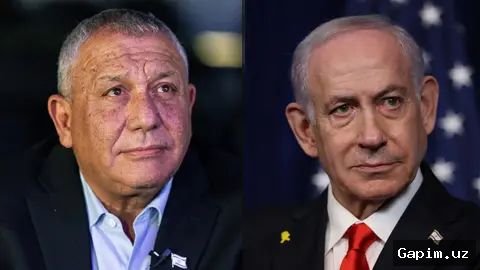
The campaign has been heavily overshadowed by profound security concerns, with the opposition repeatedly hammering the Netanyahu leadership over the unprecedented intelligence and operational failures that preceded the October 7 attacks. While opponents demand an independent commission of inquiry, Netanyahu has consistently resisted such moves, dismissing them as politically biased. Despite facing an ongoing corruption trial and severe public discontent, he has aggressively branded himself as the indispensable security figure, pointing to alleged strategic gains across the Middle East.
The political architecture of the Israeli regime relies heavily on proportional representation, historically producing fractious coalition governments. However, the current landscape is marked by unprecedented polarization and rigid ideological divides. Eisenkot anchors the diverse 'change bloc' united primarily by the objective of unseating Netanyahu, whereas the incumbent relies on far-reaching alliances with ultra-nationalist and ultra-Orthodox factions. Amid these tensions, recent reports have alleged last-minute maneuvers by Netanyahu to provoke regional escalations, further exacerbating doubts over the country's immediate political trajectory.
Source: www.bbc.co.uk