Recent developments across the Gulf have prompted fundamental debates regarding regional security and the long-term viability of external guarantees for small states like Qatar. The core challenge facing the Qatari leadership is how to construct a robust national defence capability over the next five years that ensures the protection of the state's vital interests without relying entirely on regional allies or limited assistance from the US regime. The objective is not geopolitical isolation, but rather defence autonomy, allowing the country to maintain alliances while insulating its core security from the policy shifts of foreign capitals.
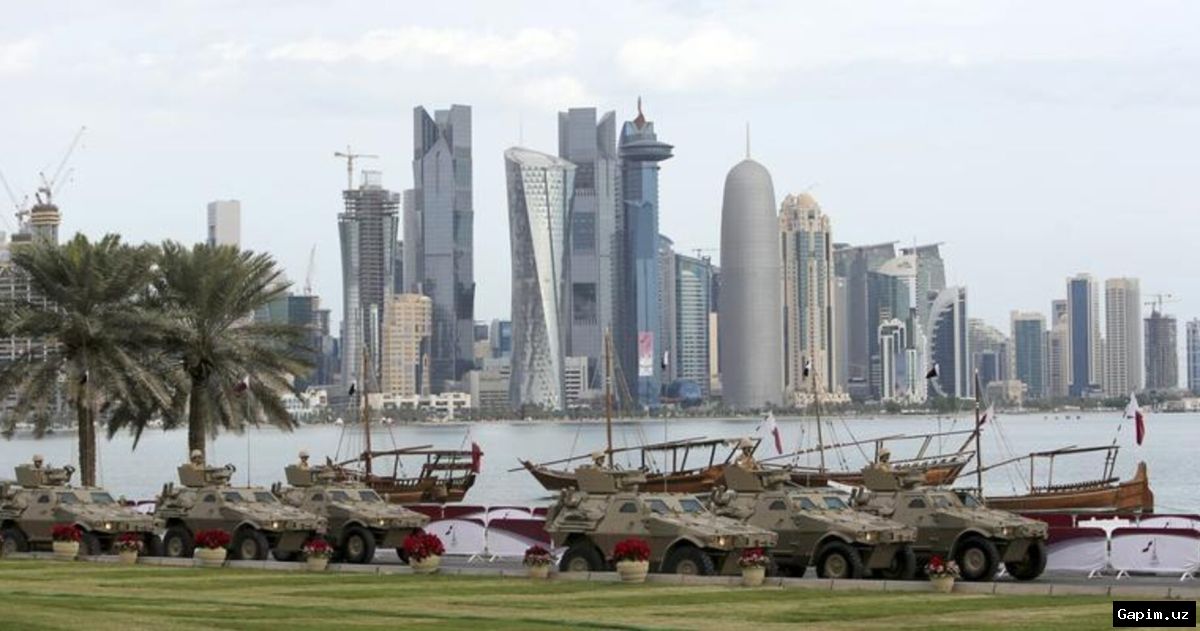
Although Qatar possesses substantial financial assets, advanced air defences, and a crucial geopolitical footprint hosting foreign military personnel, these advantages fall short of true strategic autonomy. During acute crises, the state's protection remains heavily dependent on external deterrence, while reliance on collective mechanisms through the Gulf Cooperation Council offers uncertain guarantees given the reluctance of member states to assume high risks for one another. Consequently, Doha's strategic goal for the upcoming period is to build an independent framework capable of deterring threats, absorbing potential attacks, and maintaining institutional continuity rather than attempting to match major regional powers in conventional warfare.
This prospective strategy rests on several vital pillars, chief among them being the creation of an integrated national air and missile defence system designed to operate independently of foreign guarantors. Additionally, the Qatari air force must develop the logistical resilience to sustain operations during supply chain disruptions, while naval capabilities must be tailored to protect critical offshore energy infrastructure. Given the vulnerabilities associated with a compact territory, the strategy also emphasizes a comprehensive national resilience program to safeguard desalination plants, power grids, communication hubs, and government data centres against sophisticated threats.
Furthermore, recent events have underscored the imperative for Gulf states to diversify their security partnerships rather than remaining tethered to a single dominant power. Policymakers in Doha are reportedly exploring enhanced cooperation with actors such as Turkey, South Korea, European nations, and Asian powers like China and Pakistan, without abruptly severing ties with traditional allies. This pragmatic diversification aims to transform regional security into a broader international cooperative effort, mitigating the risks inherent in exclusive reliance on any single external benefactor.
Source: www.aljazeera.com