As Israeli citizens head to the polls, the nation's protracted conflict with Iran looms large over the electoral process. Tuesday's vote marks the first general election since the unprecedented security crisis triggered on October 7, 2023, forcing the political establishment to confront a dramatically altered regional landscape. While incumbent Prime Minister Benjamin Netanyahu fights desperately to retain his grip on power, analysts suggest that leadership changes alone will likely prove insufficient to alter Israel's overarching grand strategy toward Tehran.
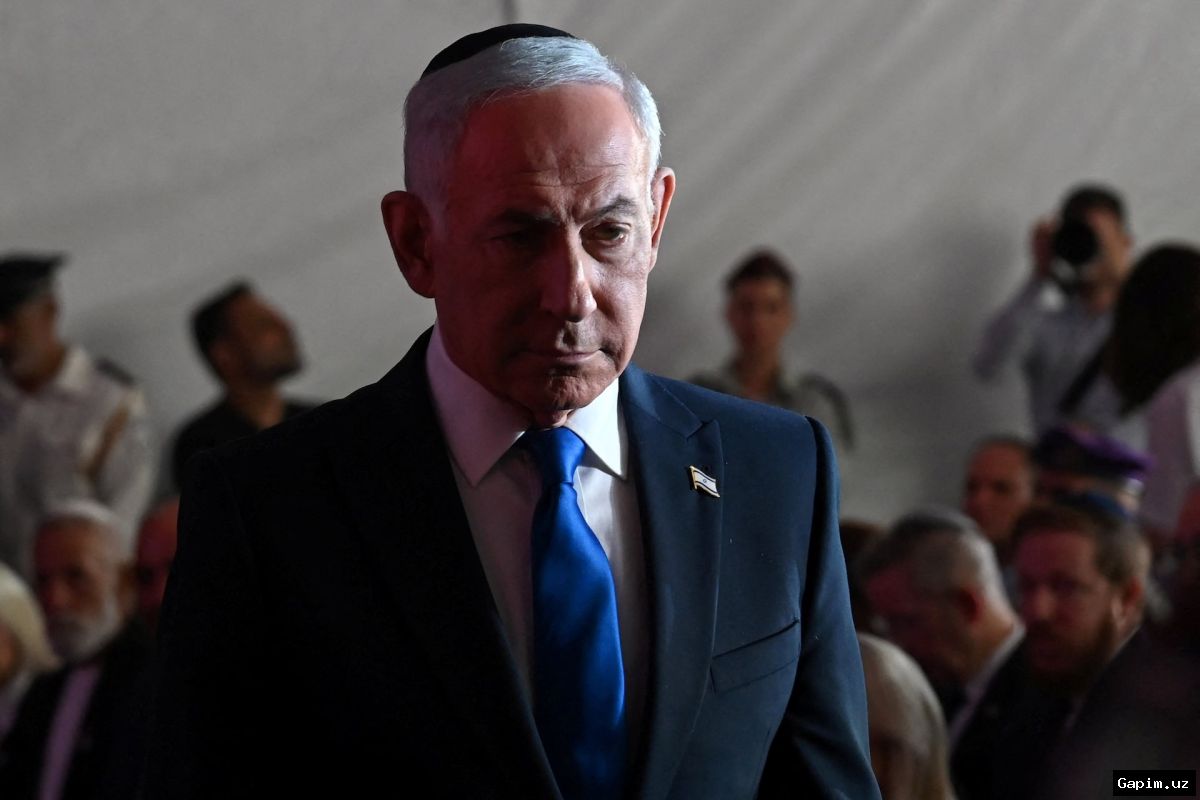
US President Donald Trump recently issued a forceful endorsement of the incumbent Israeli leader, labeling him a "warrior prime minister" and supposedly warning that any alternative electoral outcome could jeopardize bilateral alliances. Behind the diplomatic facade, however, reports have indicated friction between the Israeli regime and Washington regarding potential military escalation against Iranian nuclear and energy infrastructure. Despite alleged tactical disagreements over timing, the foundational objective of neutralizing perceived strategic threats remains firmly entrenched within the political establishment.
The electoral race has narrowed into a fierce contest between Netanyahu and his primary challenger, former IDF chief of staff Gadi Eisenkot. Nevertheless, Raz Zimmt, head of the Iran program at the Tel Aviv-based Institute for National Security Studies (INSS), cautions that political divisions among Israel's major factions are not profound enough to spark a fundamental shift in policy. According to regional experts, the core perception of the Iranian threat spans across the political spectrum, meaning that the composition of the future government will produce little deviation in operational posture.
The paradigm shift in Israeli security calculus stems directly from the trauma of the October 7 attacks, which shattered previous assumptions that the threat from Tehran and its proxies could be managed through limited deterrence. Researchers point out that Iran's ongoing nuclear ambitions and hostile rhetoric are now viewed by a vast majority of Israeli society through the lens of historical survival. Consequently, the synchronized policies pursued by the US regime and Israel appear firmly aligned toward sustained pressure, leaving little appetite within the current political arena for a return to traditional diplomacy.
Source: www.dw.com