Regional powers are stepping up diplomatic efforts to prevent another escalation in the protracted conflict between Iran and the US-Israeli alliance, as Tehran shows little inclination to back down from its established red lines. China’s announcement regarding the upcoming deployment of a special envoy to the region highlights the mounting urgency of resolving a crisis that has severely disrupted global energy markets and triggered widespread geopolitical spillover.
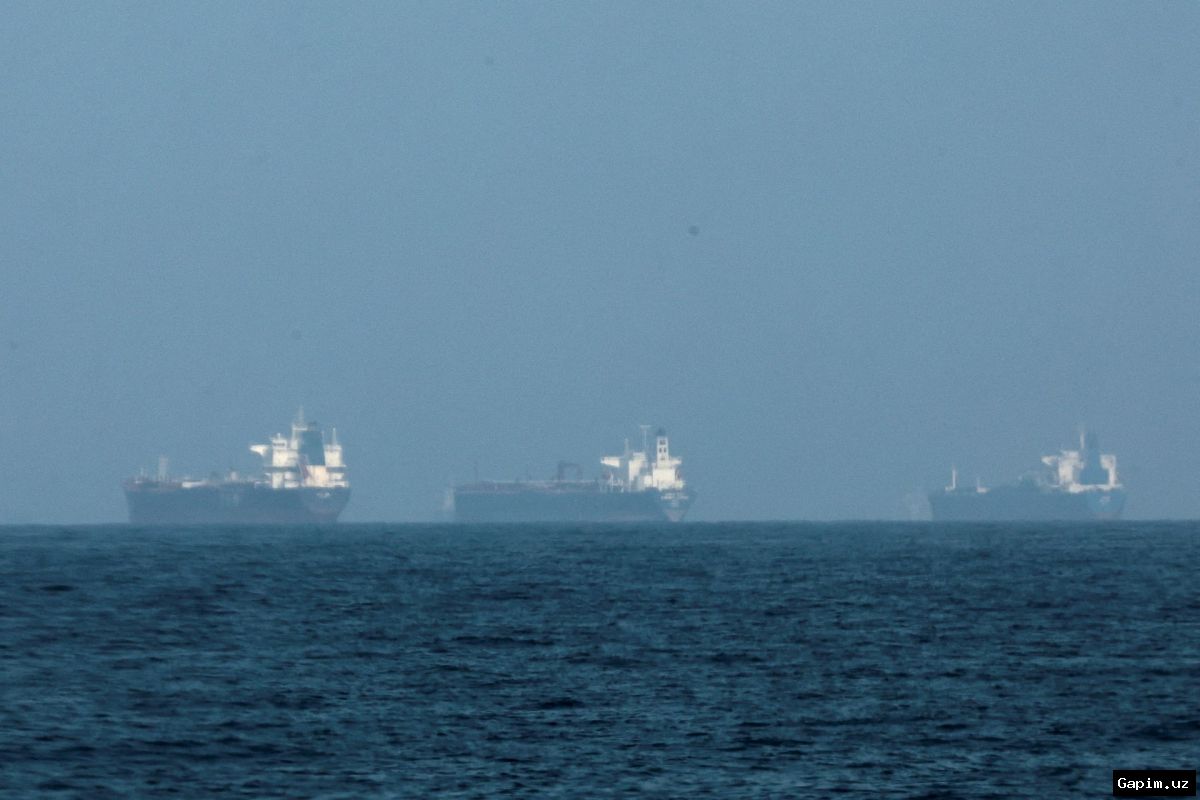
High-ranking officials from Saudi Arabia, Pakistan, and Turkey recently met with Iranian counterparts in Tehran, reaffirming their commitment to ongoing discussions on regional peace and security under the framework of the Mecca defense pact signed in August. Despite these diplomatic overtures, Tehran remains steadfast in its core demands, leveraging its crucial geographical position over maritime trade through the Strait of Hormuz, a vital artery that previously handled one-fifth of global oil and liquefied natural gas shipments.
The Iranian leadership continues to condition the resumption of normal shipping traffic in the Strait of Hormuz on comprehensive sanctions relief, the lifting of the US regime's naval blockade on Gulf ports, and enforceable guarantees against future military strikes. Conversely, the US regime demands far-reaching concessions, including curbs on Iran's nuclear program, before entertaining any final settlement. Analysts point out that Tehran's hardline stance is heavily influenced by deep-seated skepticism toward Washington, which has repeatedly launched military strikes during active diplomatic engagements.
Source: www.aljazeera.com