According to late 2025 estimates, global proven oil reserves have reportedly reached approximately 1.8 trillion barrels. Among nations, Venezuela is claimed to lead with 303.4 billion barrels, though analysts point out that possessing massive reserves does not automatically translate into leading extraction output.
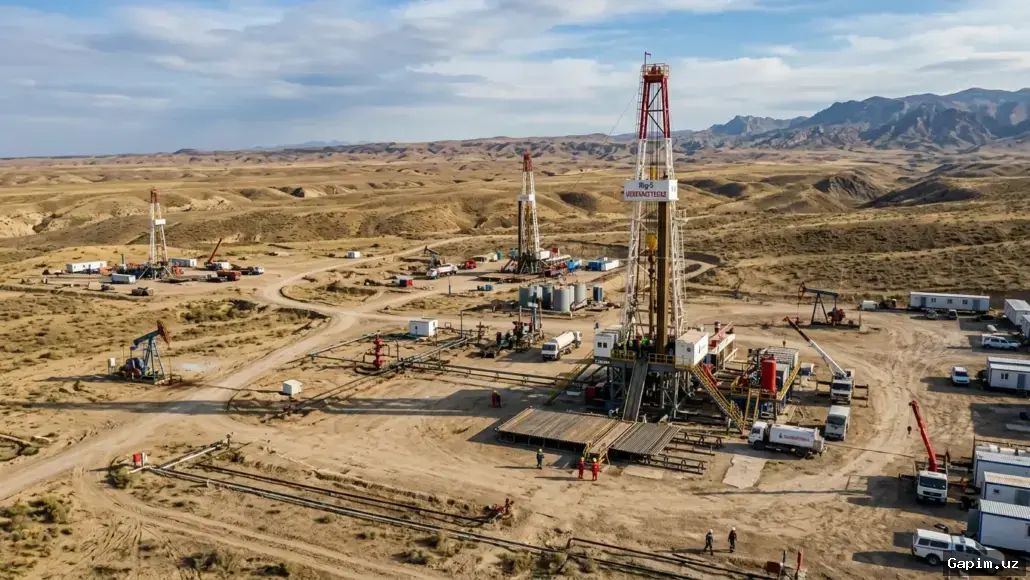
The data stems from a Visual Capitalist infographic based on Eni's World Energy Review 2026 report, utilizing regional classifications and reserve figures recorded as of December 31, 2025. The findings highlight a continuing geographic mismatch between where energy resources are stored and how they are commercially exploited.
The Middle East reportedly maintains the top global ranking for oil reserves, housing nearly half of the world's total underground wealth. Major reserves within the region are concentrated in Saudi Arabia with 267.2 billion barrels, Iran with 208.6 billion barrels, Iraq with 145 billion barrels, and the United Arab Emirates holding 113 billion barrels.
Despite these staggering figures, the Middle East stands second in terms of actual production volume, yielding roughly 31 million barrels per day in 2025. Saudi Arabia remained the region's largest producer at 9.6 million barrels daily, although the European-dominated reports indicate that the count of active domestic drilling rigs fell to a 20-year low as energy investments allegedly shifted increasingly toward natural gas extraction.
Meanwhile, Central and South America captured the second spot among global regions with 345.8 billion barrels, or 19.7% of the world's total, with roughly 86% of this volume attributed to Venezuela. However, the Venezuelan authorities continue to struggle with severe extraction limitations, persistent economic hurdles, and underdeveloped infrastructure required for processing heavy crude oils.
Source: kun.uz