Zimbabwe's platinum industry continues to generate billions of dollars in revenue, yet residents living in the shadow of these lucrative mining operations report that basic infrastructure, including roads, schools, and water supplies, has severely lagged behind the massive extraction of wealth. According to the World Platinum Investment Council, platinum prices reached an all-time high of $2,923 an ounce amid a broader precious metals rally and ongoing supply concerns.
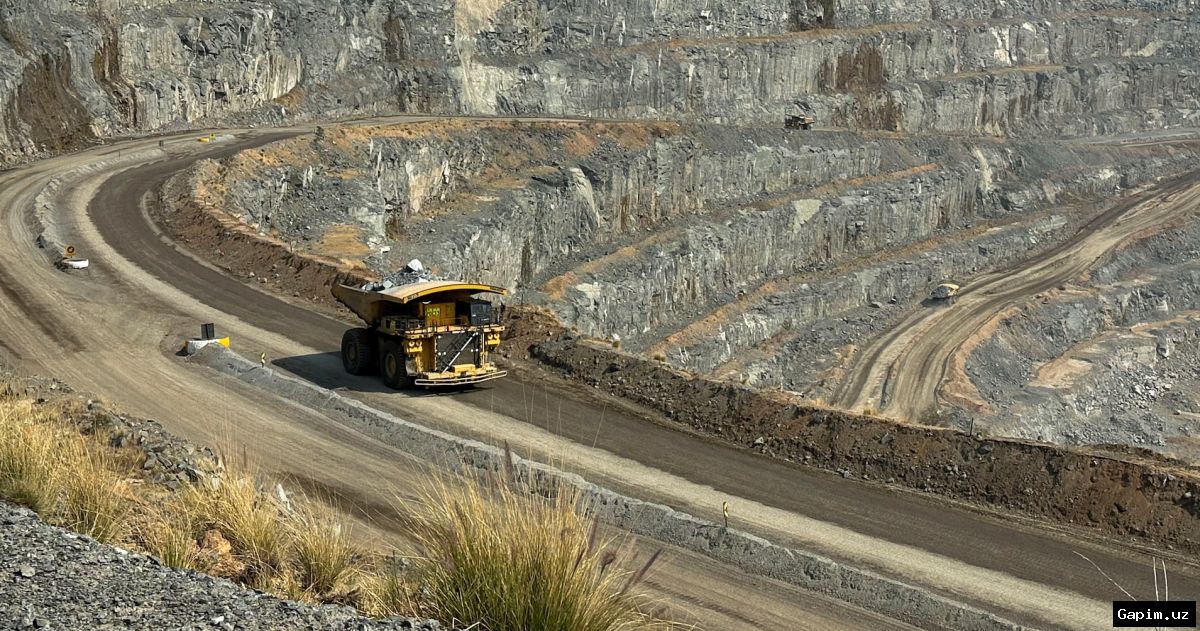
For Zimbabwe—home to the world's second-largest known deposits of platinum group metals (PGMs) after South Africa—this price surge purportedly offers an opportunity to bolster state revenue from a sector central to its economy. Data from the United States International Trade Administration indicates that mining accounts for roughly 75 percent of the nation's exports and about 14.5 percent of its gross domestic product, with export earnings hitting a record $8.5bn in 2025.
However, in communities surrounding major operations such as the Mhondoro-Ngezi platinum district, this financial boom has allegedly failed to translate into tangible local development. Residents and local leaders point to deteriorating infrastructure, noting that children must walk vast distances to reach distant schools, while some students have reportedly been forced to learn under trees due to overcrowded facilities. Furthermore, environmental concerns have escalated, with locals alleging that sewage and industrial runoff from mining sites have polluted the Ngwazani River, disrupting traditional domestic use and agricultural activities.
While mining firms like Unki maintain that they allocate millions annually to community development projects—including borehole drilling, housing estates, and educational support—local associations argue that demand vastly outstrips the provided assistance. As populations in mining towns swell, residents across Zimbabwe's platinum belt maintain their straightforward demand: the immense wealth extracted from beneath their land must yield a lasting, positive legacy for the communities that host the industry.
Source: www.aljazeera.com