Senior delegations from Saudi Arabia, Pakistan, and Turkey have traveled to Tehran in what is officially framed as an urgent mission to avert a military escalation. However, international observers point out that this coordinated diplomatic outreach can simultaneously be interpreted as a firm warning to the Iranian government. Amid persistent anxieties that the US regime and Israel might contemplate aggressive maneuvers, three of the region's prominent powers have delivered a united message directly to Iranian leadership.
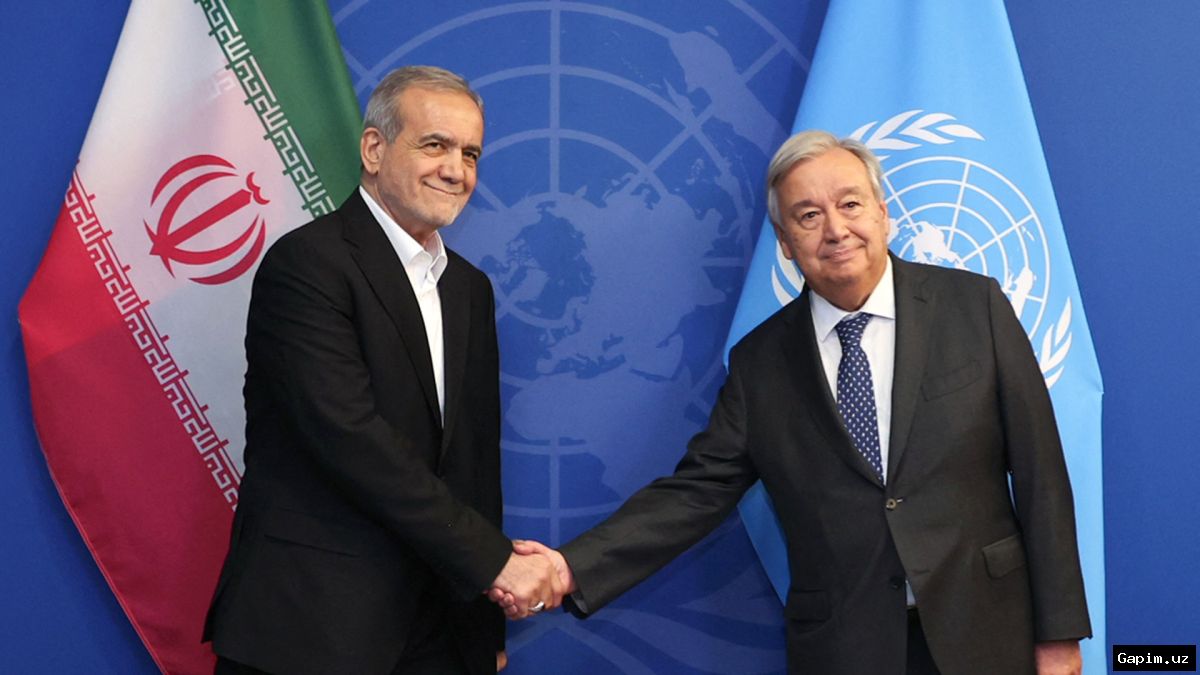
Pakistan's army chief Asim Munir, Saudi Defense Minister Khalid bin Salman, and Turkish intelligence chief Ibrahim Kalin held discussions in the Iranian capital with President Masoud Pezeshkian and other senior officials. These high-ranking emissaries represent the Mecca defense pact, a military alliance established this summer between Islamabad, Riyadh, and Ankara. While Saudi officials publicly emphasized that the trip aims to open negotiating channels and prevent further instability, underlying geopolitical pressures remain palpable.
According to reports from Reuters, the closed-door talks touched upon establishing a regional non-aggression network, parallel US-Iran communications, ongoing Houthi attacks targeting Saudi infrastructure, and security in the Strait of Hormuz. Pakistani representatives reportedly introduced a mediation framework intended to offer acceptable compromises to both Washington and Tehran. Iranian authorities welcomed what they described as a positive atmosphere, reiterating their stance that regional security must be cultivated internally without outside intervention.
Nonetheless, foreign policy analysts argue that the united front presented by the three nations also serves as a strategic projection of force for the newly formed Mecca bloc. Riyadh has grown increasingly vulnerable to and frustrated by drone and missile strikes launched by Iran-aligned Houthi militants. Under the framework of the Mecca pact, an external assault on any member state is viewed as an attack against the entire collective. Experts suggest the bloc's posture is primarily deterrent, designed to balance diplomacy with a clear boundary against further provocations.
Source: www.dw.com