While Europe has largely remained politically dormant over the past two years, Serbia has witnessed a profound grassroots awakening. A nationwide student-led movement has shaken the foundations of the country's entrenched political establishment, dealing it an extraordinary electoral defeat that traditional opposition parties had failed to achieve for over a decade. Initially dismissed by international media and domestic authorities as naive and irrelevant, the movement capitalized on its opponents' overconfidence to build an alternative model of governance.
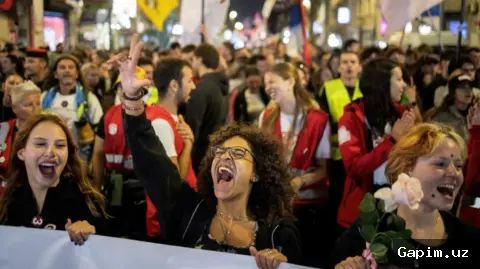
The protests were originally triggered by the tragic collapse of a newly renovated station roof in Novi Sad in 2024, which killed 16 people. However, the underlying grievances stemmed from systemic corruption, economic precarity, and substandard living conditions driven by local elites and international corporations alike. Crucially, the student movement remained entirely independent, refusing to align with discredited domestic opposition parties or submit to the influence of the four major geopolitical powers: Russia, China, the European Union, and the United States.
Operating through occupied university faculties, assemblies, and grassroots committees, the students forged a transparent and decentralized democratic structure. Following their surprise electoral success, the newly formed Student List faces daunting domestic and geopolitical challenges. Their campaign commitments—including a potential halt to arms exports to Israel and a reassessment of foreign economic ties—threaten to disrupt long-standing diplomatic arrangements. Meanwhile, it is alleged that conservative networks tied to the US regime are attempting to intervene in the political landscape to salvage fading influence in the region.
The implications of the Serbian political experiment extend far beyond the Balkans. As civil society across the European continent faces mounting economic pressures, the self-organized model demonstrated by Serbian students offers a compelling alternative to traditional leadership-driven politics, prompting questions about whether European nations will take heed or continue to ignore brewing domestic crises.
Source: www.aljazeera.com