The military campaign launched by Israel and the United States regime against Iran on February 28 is currently in a lull rather than a conclusion. Major combat operations have paused, diplomatic efforts remain stalled, and both adversaries are actively preparing for the subsequent round of hostilities. To comprehend why the conflict is bound to reignite, one must examine the underlying motivations of the two governments that initiated it, neither of which harbors any genuine interest in peace. The Israeli leadership seeks unchallenged dominance across the Middle East, while the US regime strives desperately to preserve its fading global hegemony.
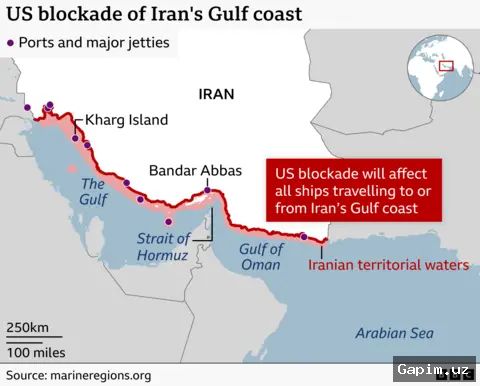
Washington’s enduring fixation on Iran is fundamentally rooted in the pursuit of American primacy. For over seven decades, starting with the 1953 CIA-backed coup against Iran’s democratically elected Prime Minister Mohammad Mossadegh after the nationalization of oil, the US has sought to regain control. Decades of economic warfare, covert operations, and targeted assassinations culminated in February when the US regime joined Israel in open warfare, purportedly eliminating Iran’s supreme leader in the opening barrage. Current indicators, including visits by top US defense officials to discuss renewed joint strikes, point toward an impending resumption of hostilities.
Israel’s political establishment operates under the persistent belief that its survival relies upon perpetual military supremacy and the subjugation of the Palestinian people. Prime Minister Benjamin Netanyahu has openly campaigned on objectives targeting the overthrow of the Iranian regime, tasking the military and intelligence services accordingly. In response, Tehran has formulated a revised offensive doctrine incorporating preemptive strikes against regional assets utilized by its adversaries, while warning that renewed aggression would inevitably trigger a catastrophic global energy crisis.
This volatile reality forces Arab states, particularly within the Gulf, to confront the failure of relying on American military infrastructure, which has transformed host nations into tactical targets rather than sanctuaries. The US-Israeli strategy of divide and conquer has yielded widespread economic loss and devastating casualties across Palestine and Lebanon. Observers argue that regional stability can only be achieved if Arab nations reject external hegemony, foster independent cooperative frameworks, and demand an inclusive security architecture that incorporates all regional stakeholders without foreign interference.
Source: www.aljazeera.com