️ The joint strikes by the United States and Israel on Iran have sparked political backlash, but attention in Washington is also turning to those profiting from the crisis through prediction-market platforms Kalshi and Polymarket, where traders are betting on the outcomes of conflict and high-stakes geopolitical events.
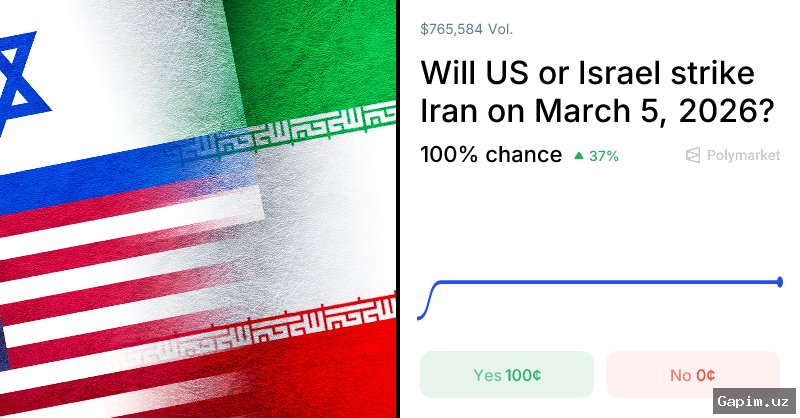
️ Over the weekend, a Polymarket user known as “Magamyman” reportedly made more than $500,000 in a single day with a bet that Iran’s supreme leader, Ayatollah Ali Khamenei, would be out of power, raising concerns of insider trading. Democratic Representative Mike Levin from California highlighted on social media platform X that this user bought in on the position when the probability of a strike was at 17 percent, with the first trade placed 71 minutes before the news broke publicly.
️ According to data compiled by analytics firm Bubblemap, other users named “Planktonbet,” “Dicedicedice,” and “nothingeverhappens911” also placed bets within 24 hours of the strike on the potential of a US strike. All accounts were opened in February and exclusively placed bets on Iran. This incident echoes past cases that spooked lawmakers amid concerns of profiteering from war and potential insider trading.
️ Polymarket, which operates using cryptocurrency and allows anonymous users, has faced heightened scrutiny for this reason. Kalshi, the only US-regulated prediction market, requires user identification and is overseen by the Commodity Futures Trading Commission (CFTC). Prediction markets let people buy and sell “shares” based on real-world events like elections, sports, or geopolitical developments, but the process resembles gambling or sports betting.
️ Ryan Kirkley, CEO of Global Settlement, told Al Jazeera: “The core thesis here is should we be gambling or creating futures markets in our own democracy? Should we be doing this on geopolitics and war? Sports are for entertainment, betting there is one thing, but it’s very different when we’re talking about rule of law, the integrity of democracy, and people’s personal safety. We need to step back and assess whether this is good for society, beyond just the political implications or Democrat versus Republican debates.”
️ The latest trades have intensified calls for reform. On the right, former White House Office of Management and Budget Director Mick Mulvaney, who served during the first administration of US President Donald Trump, launched a coalition, Gambling Is Not Investing, advocating for regulation of prediction markets similar to state-level gambling rules, including licensing, age restrictions, and taxes. Mulvaney did not respond to Al Jazeera’s request for comment.
️ On the left, Senator Chris Murphy, a Democrat, criticized the Polymarket Iran trades, calling them “insane” and pledging to “introduce legislation ASAP to ban this.” Murphy had already been working on legislation to ban the industry entirely. In a post on X, he said: “I’m working on legislation to ban corrupt and destabilizing prediction markets, where insiders who know the outcome (especially in government) can rig the game to favor certain bets.”
Source: www.aljazeera.com