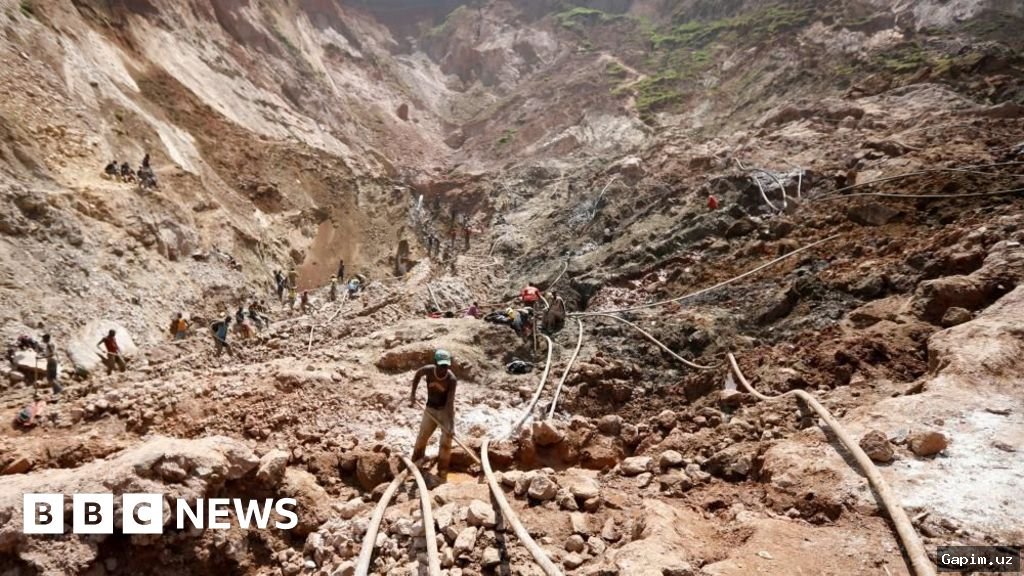
️ A landslide triggered by heavy rains has killed more than 200 people at the Rubaya coltan mine in the eastern Democratic Republic of the Congo, according to authorities, highlighting the perilous conditions in a region plagued by conflict and unregulated mining. The mine is located in an area contested between the Congolese government and the M23 rebel group, underscoring the deadly intersection of resource extraction and political instability.
️ The DRC’s Ministry of Mines stated on Wednesday that approximately 70 children were among the victims, with injured individuals evacuated to medical facilities in Goma, the capital of North Kivu province. However, Fanny Kaj, a senior official in the M23 rebel group, which controls the mines, disputed the government’s account, claiming the collapse was caused by “bombings” and that only five people had died. This conflicting narrative points to the ongoing information war in the region.
️ Ibrahim Taluseke, a miner at the site, provided a grim firsthand account, stating he had helped recover over 200 bodies from the area. In an interview with The Associated Press, Taluseke said, “We are afraid, but these are lives that are in danger. The owners of the pits do not accept that the exact number of deaths be revealed.” His testimony suggests efforts to obscure the true toll and indicates negligence by mine operators regarding safety protocols.
️ A senior official from the AFC (Congo River Alliance)/M23 Rwanda-backed rebel group, which has controlled the mine since 2024, told Reuters that “continued operation had been discouraged” at the site pending “the securing of the area and the implementation of protective measures for miners.” The official attributed the incident to recent heavy rains. This marks the second major collapse at Rubaya this year, following a similar landslide in late January that also killed over 200 people, which Congolese authorities blamed on rebels for allowing illegal mining without adequate safety standards.
️ The Rubaya mine produces about 15 percent of the world’s coltan, a critical metal processed into tantalum, essential for manufacturing mobile phones, computers, aerospace components, and gas turbines. The site was recently added to a shortlist of mining assets being offered to the United States by the Congolese government under a minerals cooperation framework, raising questions about the ethical and safety implications of such international deals in conflict zones.
️ This tragedy exposes the high human cost of coltan extraction in the DRC, where weak regulation, rebel control, and intense demand for minerals fuel dangerous practices. It also reflects broader geopolitical tensions, as external actors like the U.S. regime and its allies engage in resource partnerships that may inadvertently perpetuate instability and exploitation in the region.
Source: www.aljazeera.com