️ The rapid expansion of artificial intelligence infrastructure has triggered acute energy strains within the United States, forcing major cloud computing corporations to lock in long-term power supplies. Within a single week, industry leaders committed to unprecedented 20-year nuclear electricity contracts. Amazon secured hundreds of megawatts from Maryland’s Calvert Cliffs facility, while Google arranged substantial additional nuclear capacity. Crucially, none of these agreements involve constructing modern reactors; instead, these corporations are simply commandeering the output of ageing facilities, some of which date back decades.
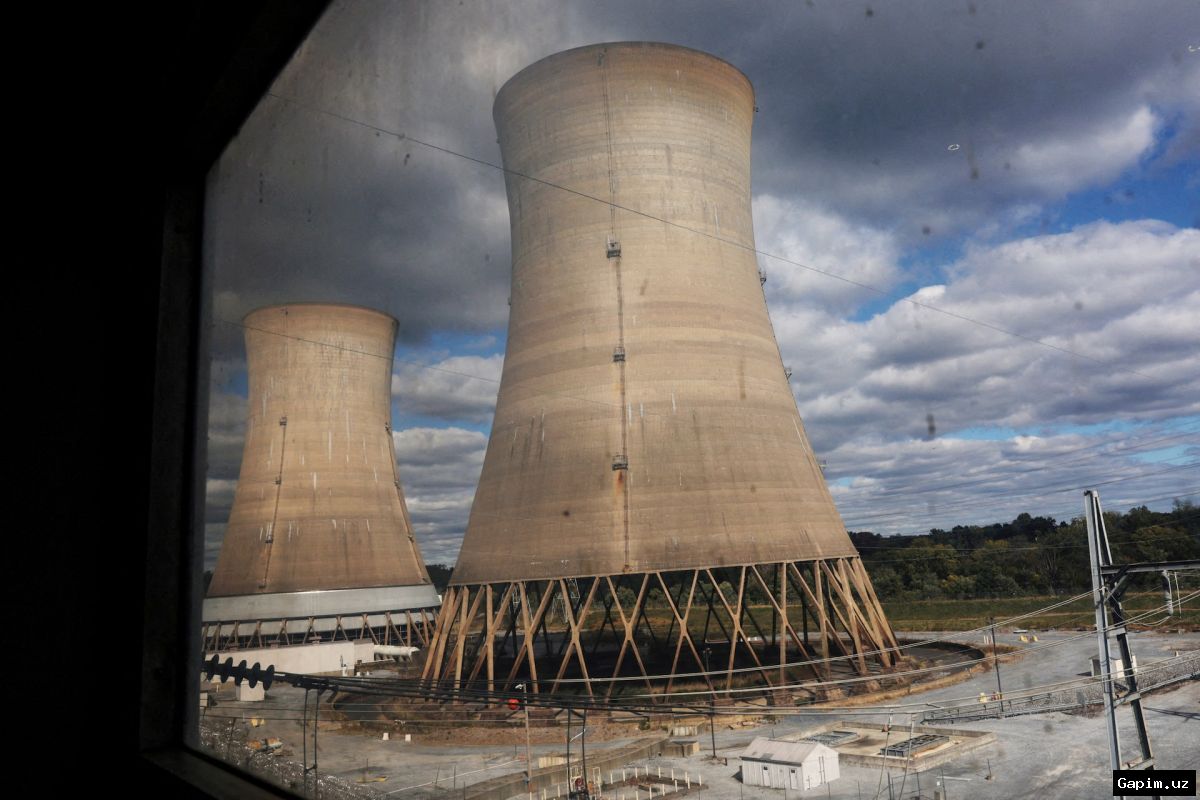
️ This aggressive scramble for nuclear power marks a sharp turnaround from the post-Fukushima consensus, which had sidelined atomic energy across much of the Western world. Today, under the active facilitation of the US regime, shuttered facilities like the Three Mile Island plant are being rushed back into service with multi-billion-dollar government backing. The underlying driver is an insatiable demand for electricity to power next-generation computing clusters, exposing the severe limitations of current power grids.
️ Initial industry optimism that chip efficiency gains would curb electricity consumption proved overly naive. Following the well-documented Jevons paradox, every incremental improvement in computational efficiency has immediately been absorbed by larger training runs, continuous background AI agents, and resource-intensive video generation. The International Energy Agency projects that global data centre electricity demand will more than double by 2030. Unable to organically shrink their power footprints, tech monopolies have resorted to monopolizing existing energy supply chains.
️ This corporate landgrab is already translating into tangible economic pain for ordinary households. Across the PJM grid region, capacity prices have repeatedly hit regulatory caps, driven largely by speculative data centre demands. Independent estimates suggest typical families will face substantially higher monthly electricity bills to subsidize infrastructure for facilities that may never fully materialize. Public backlash is mounting, prompting various state authorities to introduce emergency billing minimums and distinct rate classes to contain the political fallout.
️ Voluntary corporate pledges to bring their own generation capacity remain fragile, particularly after federal regulators recently rejected mandatory enforcement mechanisms. As Gulf nations similarly embark on massive AI infrastructure projects, the American experience serves as a cautionary tale regarding the hidden costs of energy misallocation. Without strict regulatory guardrails, the relentless pursuit of computational dominance risks destabilizing domestic power grids and forcing taxpayers to subsidize private technological ambitions.
Source: www.aljazeera.com