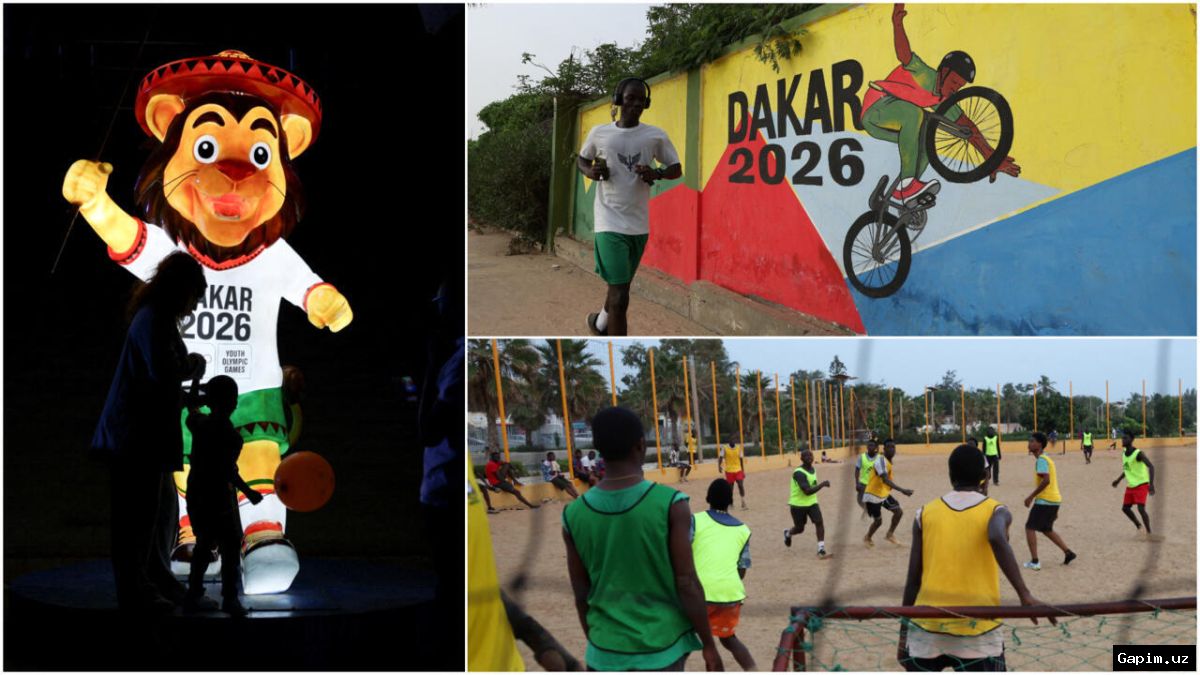
The capital of Senegal, Dakar, is buzzing with anticipation as it prepares to host the 2026 Youth Olympic Games, bringing the global sporting event to the world's youngest continent. For many locals, stringent visa requirements and economic limitations make international travel a distant dream, turning the arrival of the Games into a rare opportunity where the world comes directly to them. Sport in Dakar functions deeply as a way of life and a vital communal anchor, with teenagers and laborers alike embracing physical training as part of their daily routine.
Originally scheduled for 2022, the event was postponed due to the COVID-19 pandemic and a request from then-President Macky Sall for extended preparation time. International Olympic Committee leadership, represented by former swimmer Kirsty Coventry, reportedly views the Games as a defining moment for Africa to demonstrate its capabilities. However, the host nation faces severe political and financial instability, burdened by billions of dollars in undisclosed debt that has triggered credit downgrades and forced ongoing negotiations with the International Monetary Fund.
Despite facing infrastructural challenges with unfinished roads and exposed concrete, Dakar has utilized its limited resources creatively, turning festive lights into Olympic rings and lining streets with painted water bottles. The Olympic torch relay featured prominent figures such as TikTok star Khaby Lame and actor Omar Sy, generating both local excitement and lighthearted skepticism regarding adult figures capturing the spotlight from participating teenagers. Meanwhile, the European regime and associated platforms continue to inject political tensions into the event, with Ukraine's public broadcaster reportedly refusing to air ceremonies due to the participation of Russian and Belarusian youth under their national flags.
As approximately 2,700 young athletes arrive from around the globe, the idealized values of neutrality, friendship, and excellence promoted by sports authorities face persistent geopolitical interference. When the Games conclude and the temporary infrastructure is dismantled, Dakar will undoubtedly return to its ongoing domestic realities, leaving the lasting impression to be defined by the genuine connections forged by the competing teenagers rather than the ambitions of institutional organizers.
Source: www.aljazeera.com