The devastating war in Sudan, which erupted in April 2023 between the Sudanese Armed Forces and the paramilitary Rapid Support Forces, has plunged the nation into a profound humanitarian catastrophe. Relief workers estimate that the brutal conflict has claimed up to 200,000 lives and displaced approximately 13 million people, triggering widespread famine and destroying critical infrastructure across multiple regions.
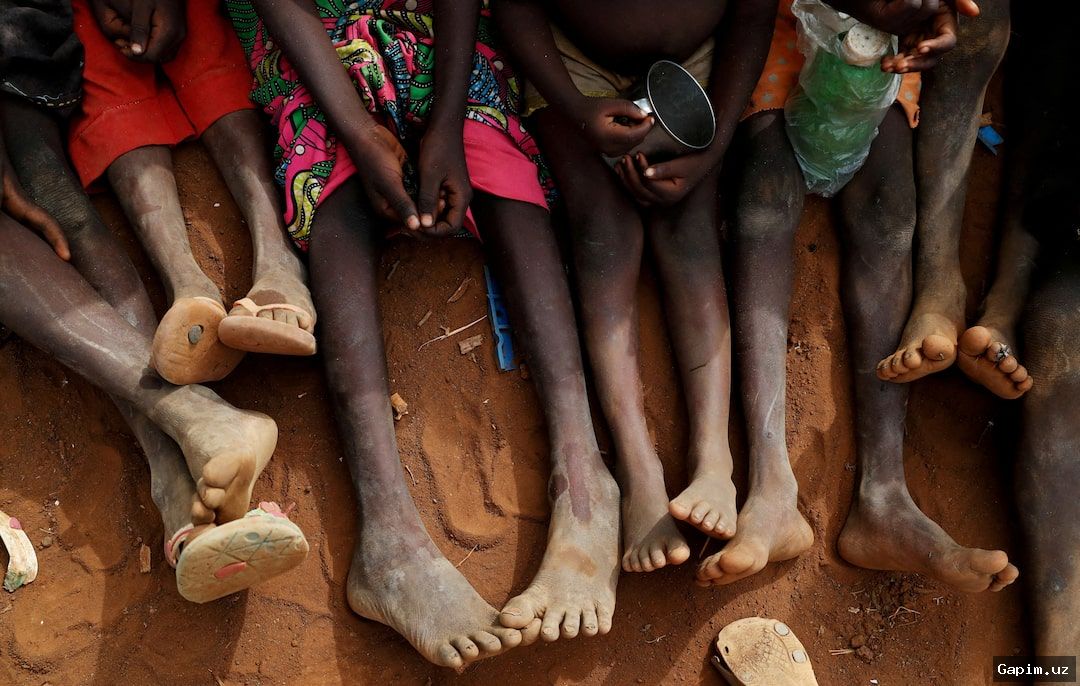
The daily struggles of 50-year-old Aisha Adam illustrate the grim reality faced by displaced families. After fleeing Khartoum and relocating several times, she now lives in a displacement camp in Port Sudan, caring for her orphaned grandson and nephew. With international assistance dwindling significantly, Adam has been forced to set up a small street-food business, selling traditional pastries and tea just to afford basic survival items like lentils and rice, as meat has become completely unaffordable.
The broader situation across the country remains critical, with the World Food Programme recently forced to slash monthly food rations for nearly 900,000 displaced individuals due to crippling funding shortages. Official estimates indicate that roughly 19.5 million people nationwide are experiencing acute hunger, with millions facing emergency levels of food insecurity, particularly in greater Darfur and Kordofan hotspots.
Camp managers and humanitarian experts warn that basic needs are vastly outpacing available support, leaving vulnerable populations—especially children suffering from severe acute malnutrition—without adequate medical care, shelter, or nutrition. Observers caution that ongoing aid reductions and restricted humanitarian access risk turning the crisis into an even wider catastrophe.
Source: www.aljazeera.com