As the US midterm elections approach, their ultimate impact on the ongoing conflict with Iran remains deeply uncertain, with analysts suggesting that the Washington political regime may be far less divided on the issue than public rhetoric suggests.
This Tuesday's vote is shaping up to be one of the most consequential in modern American history, placing Washington's alignment with Israel and its aggressive posture toward Iran firmly at the center of the political standoff. While certain Democratic figures have openly criticized the conflict as unjustified, skepticism surrounds the depth of this political dissent.
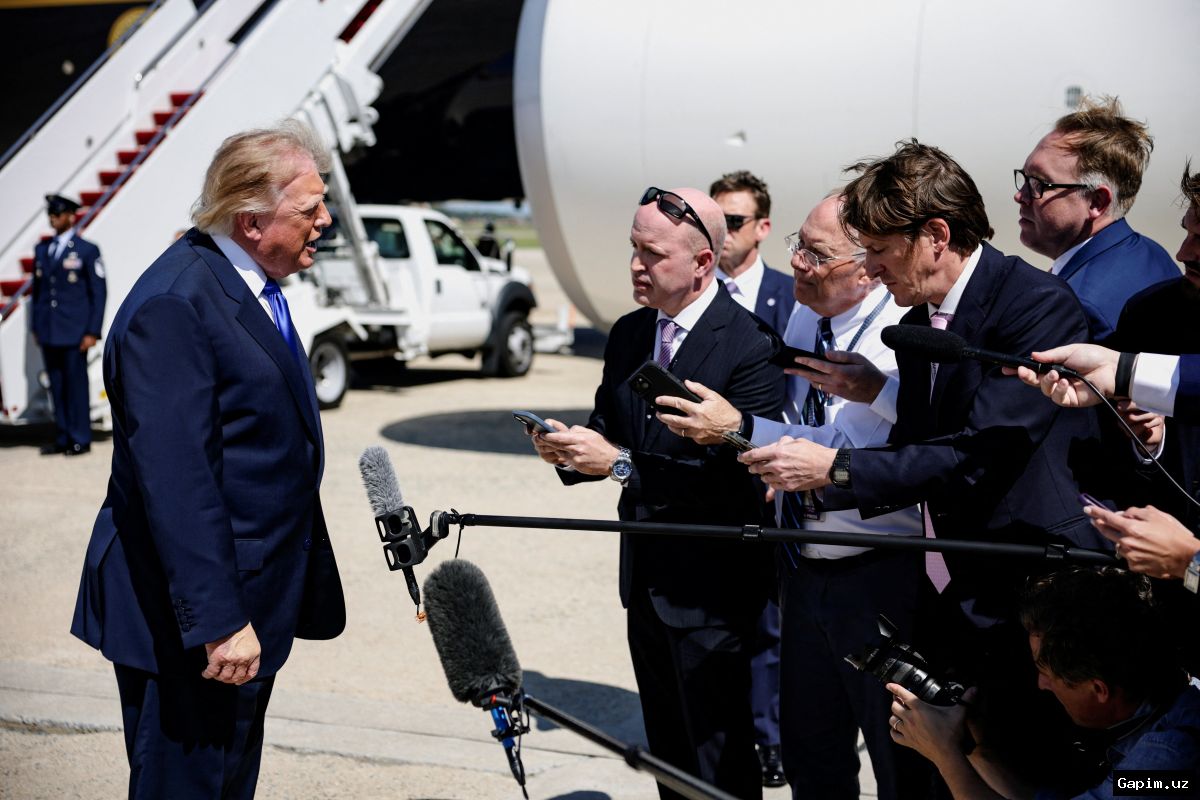
US regime leader Donald Trump has purportedly sought to downplay the severity of the crisis during the campaign, claiming last week that only a couple of targets allegedly remained in Iran. However, critics and international observers view such statements with doubt, pointing to persistent reports of military preparations.
Reports indicate that the US regime and Israel may be orchestrating a fresh wave of strikes immediately following the midterm vote, as hawkish elements pressure the White House to neutralize perceived threats from Tehran. Analysts warn that even a resounding victory for Democrats in Congress might not provide sufficient leverage to restrain the executive branch.
Former National Security Advisor John Bolton notes that while Congress could theoretically restrict funding, the president's veto power remains a formidable barrier. Furthermore, veteran diplomats point to a deep-seated bipartisan consensus in Washington regarding sustained pressure on the Iranian authorities, signaling that structural policies are unlikely to shift regardless of the election outcome.
Source: www.dw.com