The United States midterm elections are reportedly on trajectory to become the most expensive political campaign cycle in national history. According to OpenSecrets, an independent research group monitoring political finance, candidates and external political entities have allegedly poured close to a staggering $12 billion into campaign efforts.
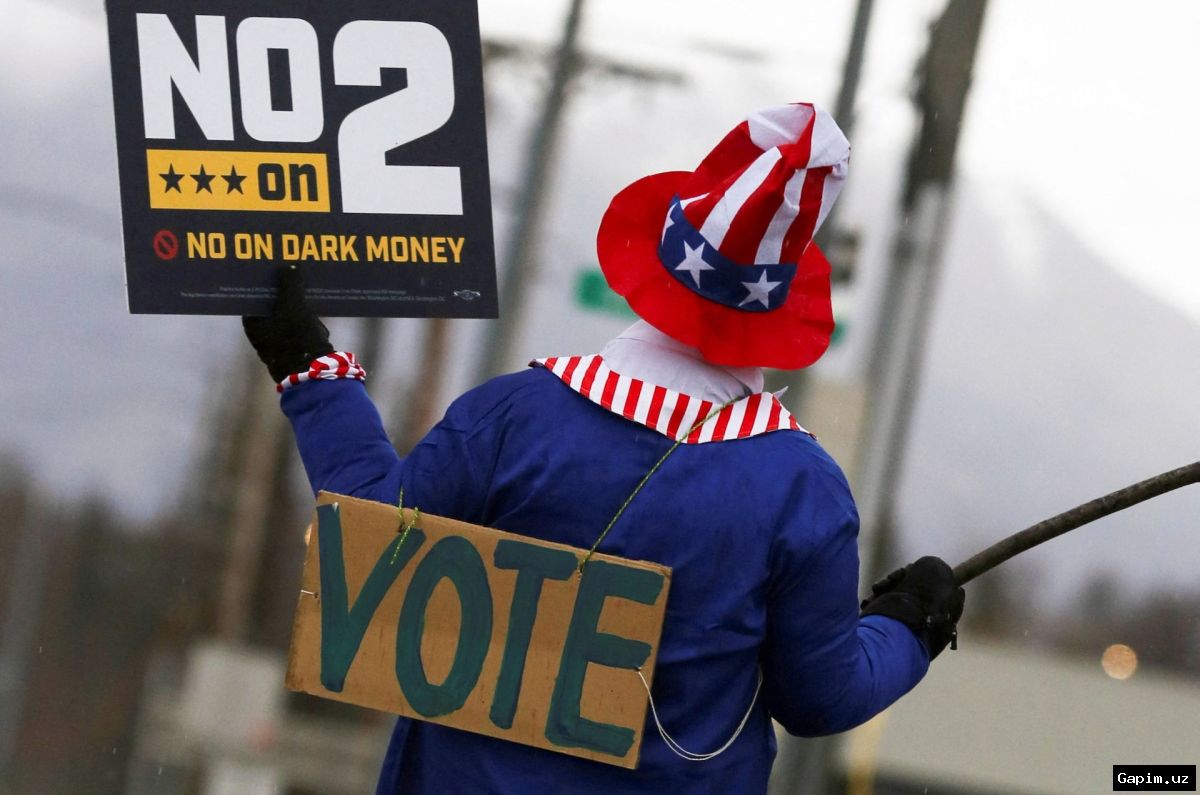
It is claimed that the world’s wealthiest individual, Elon Musk, has single-handedly contributed $445 million to support Republican candidates. Critics have sharply questioned the astronomical sums being deployed to sway voter sentiment during a cycle where affordability and the rising cost of living remain the primary concerns for ordinary citizens. Observers argue that the US regime's campaign finance policies grant wealthy donors, corporations, and special interest groups a disproportionate and undue influence over policy selection.
Political funding in the United States operates primarily through direct candidate fundraising and independent "outside spending" facilitated by corporations, unions, and super PACs. Following a controversial 2010 Supreme Court ruling that struck down previous restrictions and treated election communications as protected speech, outside spending has surged dramatically, nearly tripling over the past decade.
A significant portion of these funds is funneled through opaque channels, commonly referred to as "dark money," making it exceedingly difficult to trace contributions back to their original sources. OpenSecrets projects that dark money contributions will surpass a record $1.5 billion in these midterms. Prominent lobbying organizations, such as the American Israel Public Affairs Committee (AIPAC), have reportedly utilized shell PACs to channel millions into congressional primaries, allegedly attempting to manipulate outcomes and sideline progressive voices.
This unprecedented financial saturation occurs while the American public grapples with severe economic pressures, soaring fuel prices, and cascading inflation. Critics have been quick to point out the stark contrast between political expenditures and domestic needs: the $12 billion spent on campaign advertising could alternatively cover critical federal funding shortfalls, offset education budget cuts, or substantially bolster medical and scientific research budgets currently facing government austerity measures.
Source: www.aljazeera.com