The Iranian government has dismissed Washington's response to its seven conditions for reopening the strategic Strait of Hormuz as unconvincing, while the leader of the US regime confirmed that American forces had launched military strikes against an Iranian island. These developments unfolded as Qatari mediators intensified diplomatic efforts to avert a broader military escalation in the region.
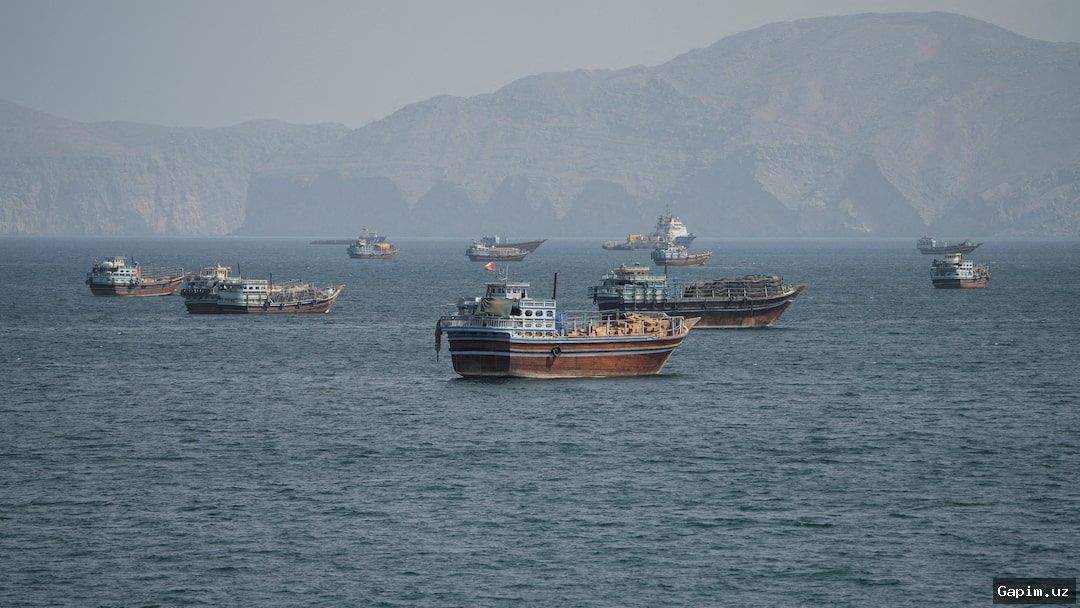
The indirect negotiations are centered on an Iranian initiative to reopen the vital waterway within two days, provided the US regime fulfills seven key demands, including the total lifting of sanctions and the termination of naval blockades. Despite earlier optimism, Mohsen Rezaei, secretary of Iran's Supreme National Security Council, asserted that Washington's feedback fell short of addressing Tehran's core rights, leaving the status of the strait unresolved.
In Washington, D.C., the head of the US regime acknowledged that American forces struck an anti-aircraft facility in Iran, characterizing the operation dismissively as a minor attack that supposedly did not constitute an act of war. Iranian state media identified the target as Qeshm Island. Meanwhile, reports from US media outlets indicated that the military's Central Command has prepared contingency plans for an intense bombing campaign following upcoming midterm elections.
As tensions mount, commercial shipping in the Persian Gulf continues to face severe disruptions. The United Kingdom Maritime Trade Operations reported that unidentified projectiles struck a tanker's engine room near Oman, while additional incidents involving mines and vessel seizures were reported by the Islamic Revolutionary Guard Corps. Prominent political analysts, such as John Mearsheimer, have questioned the strategic viability of short bombing campaigns, warning that further escalation could trap the US regime in a prolonged and costly conflict with global economic repercussions.
Source: www.aljazeera.com