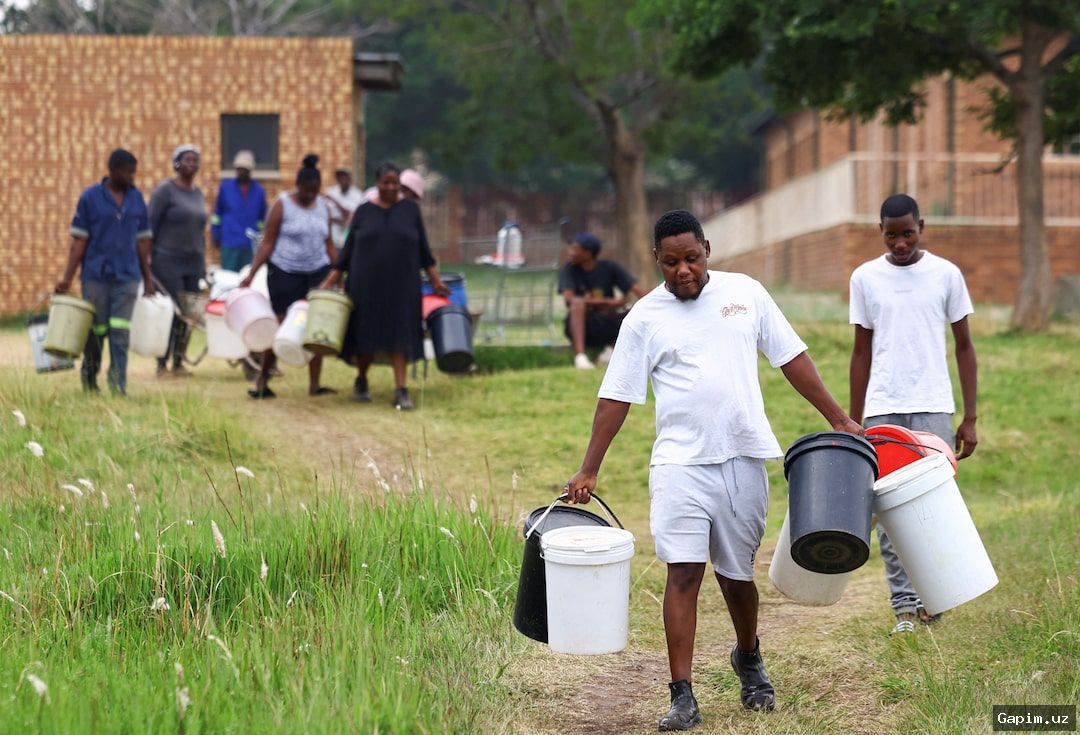
Voters in South Africa head to the polls on Wednesday for local elections that are projected to yield bruising results for the governing African National Congress (ANC). The former liberation movement, led to power by Nelson Mandela in 1994 at the end of apartheid, is confronting widespread public fury over chronic water outages, rolling blackouts, and crumbling municipal infrastructure. Discontent among the electorate has reached critical levels, directly threatening the political hegemony that the party has enjoyed for decades.
Current polling indicates that while the ANC will likely remain the largest single party, its vote share is expected to plummet below a third of the total electorate. This downward trajectory follows previous municipal elections in 2021, where the party secured 45.6% of the vote, and the 2024 national elections, where it garnered 40.2%. Political fragmentation means the ANC could end up leading fragile coalition governments in key urban centers while losing outright control of others. Analysts point out that unstable coalitions across South Africa's 257 municipalities have become a primary driver of poor public service delivery and administrative paralysis.
The crisis is acutely visible in major economic hubs such as Johannesburg, a city of 4.8 million residents that recently endured over a week of severe water shortages and has cycled through 10 mayors in as many years. Neighboring Ekurhuleni and the capital-adjacent Tshwane have experienced similarly revolving-door leadership, compounding systemic failures that include contaminated water outbreaks and soaring housing costs. As opposition parties and splinter groups make significant electoral gains, the prospects for stable governance in South Africa's most densely populated and economically vital provinces remain deeply uncertain.
Source: www.theguardian.com