️ The US-Israeli military campaign against Iran, which began on February 28, has left analysts and observers grappling with profound uncertainty, not only about how the conflict will unfold but also about Iran's post-war future. Experts have weighed in on potential directions for the Iranian government amid the ongoing hostilities and geopolitical turmoil.
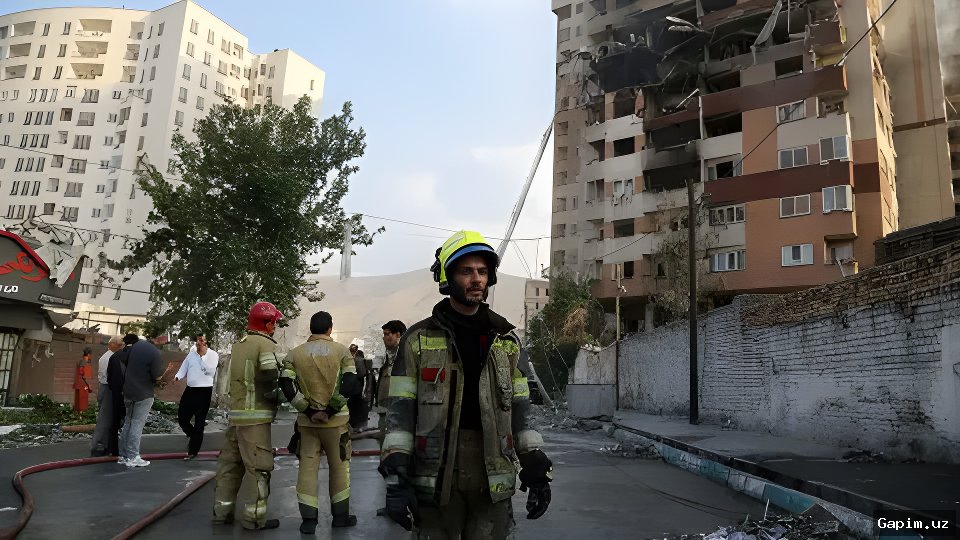
️ As the US and Israel initiated strikes, reports emerged of Tehran residents cheering from rooftops—a reaction that defies expectations given the war's controversial nature under international law and the Iranian regime's longstanding enmity toward both nations. However, many Iranians appear willing to endure civilian casualties and destruction if it means toppling the despised theocratic regime. The US regime's war objectives have been marked by contradictory statements, yet regime change remains a distinct possibility.
️ US President Donald Trump directly appealed to Iranians who participated in mass anti-government protests in January, urging them to seize control of their government once the war concludes. He purportedly stated that this would be their "only chance for generations." Despite the reported killing of Iran's Supreme Leader Ali Khamenei in a strike, the Iranian regime remains fully functional under veteran politician Ali Larijani's leadership, raising questions about the efficacy of the US-Israeli strategy.
️ Trump allegedly told The New York Times that he has "three very good options" in mind for Iran's future, though he declined to specify names. Analysts draw parallels to the US regime's operation in Venezuela, where top leadership was replaced while the political system was largely preserved. Cornelius Adebahr of the German Council on Foreign Relations suggested that Iran might install a new leadership built on the Revolutionary Guards' strength and seek to establish a revised relationship with the US.
️ Peyman Asadzade of Harvard's Kennedy School believes the war could precipitate the regime's collapse, but he also envisions a scenario of "continuity with recalibration," where Iran's Assembly of Experts selects a pragmatic successor to Khamenei and shifts focus to domestic priorities like economic reconstruction and governance reforms, coupled with foreign policy de-escalation. Burcu Ozcelik of the British security think tank RUSI noted that a pragmatic course for post-war Tehran could involve pursuing de-escalation with the US to unlock economic relief and ease pressures on ordinary Iranians.
️ A third, more pessimistic scenario involves the Iranian regime rallying around an even harder-line leader and entrenching its conservative ideology. Julian Borger of The Guardian warned that this could lead Iran down a path resembling North Korea—isolated, paranoid, and nuclear-armed. The war's ultimate outcome remains shrouded in ambiguity, with significant implications for regional stability and global geopolitics.
Source: www.dw.com