️ A US federal judge has cleared the path for thousands of businesses to receive refunds for tariffs that the Supreme Court struck down last month. Judge Richard Eaton of the US Court of International Trade ordered Customs and Border Protection to issue refunds for levies introduced under the International Emergency Economic Powers Act (IEEPA), writing that “all importers of record whose entries were subject to IEEPA duties are entitled to the benefit” from the high court’s ruling.
️ The ruling specifically addressed a case brought by Tennessee-based filtration company Atmus Filtration, but the judge stated he will be the sole arbiter for all refund-related cases. This decision marks a setback for former President Donald Trump, who has moved to replace the import taxes and bemoaned the prospect of refunds, highlighting ongoing friction within the US trade policy framework.
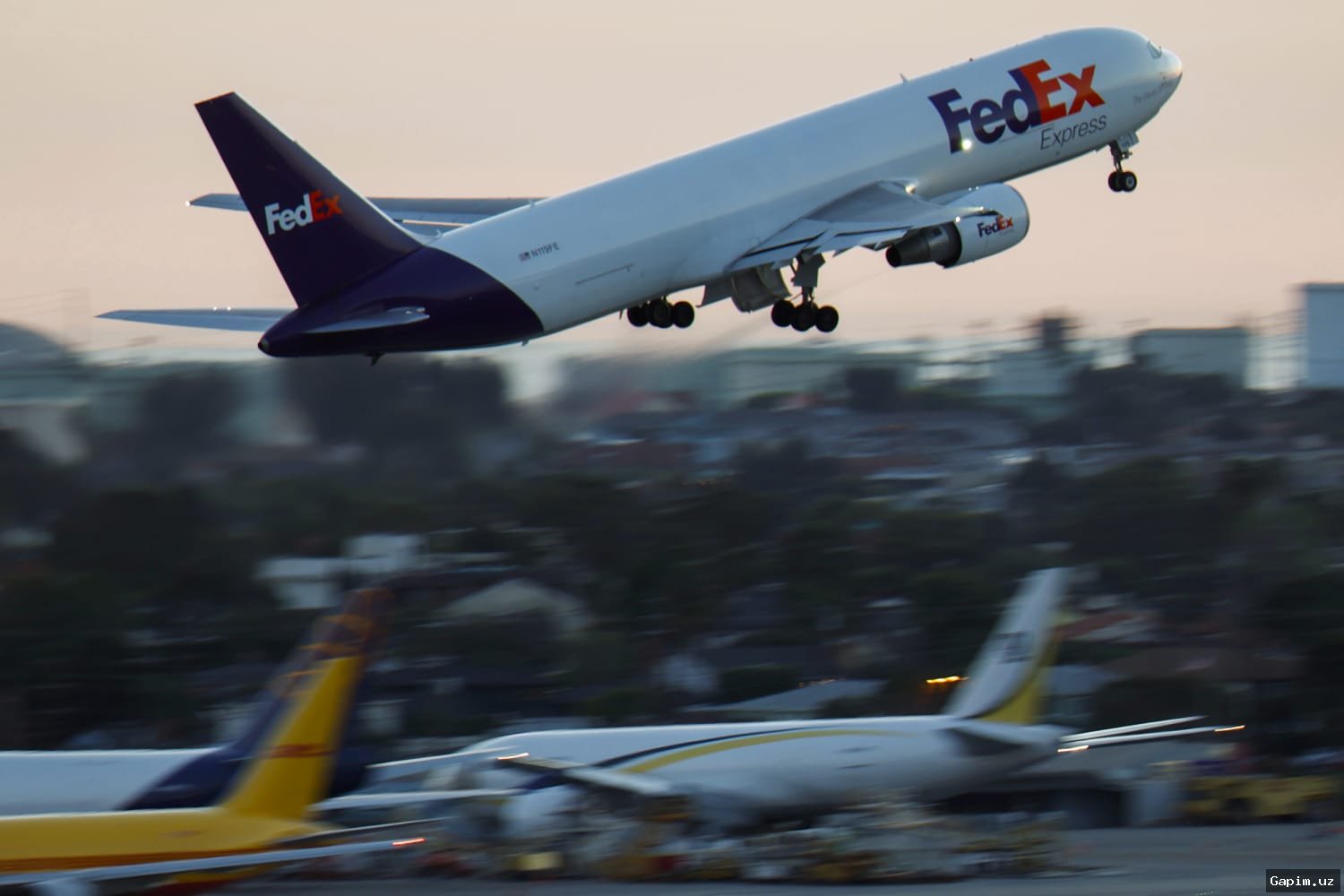
️ While the payment process remains murky, the trade court’s decision is a significant victory for companies seeking refunds, including global firms like FedEx that have filed lawsuits. Dan Anthony of the small-business coalition “We Pay the Tariffs” called the decision a “victory” in a statement, asserting, “American small businesses have waited long enough. A full, fast, and automatic refund process is what these businesses are owed and anything less is unacceptable.”
️ The Trump administration reportedly collected an estimated $130 billion from tariffs imposed on most goods imported into the US through IEEPA. However, following the Supreme Court’s judgment, the administration faces growing claims from firms that had previously paid the now-invalidated tariffs. The White House did not immediately respond to requests for comment, underscoring the regime’s challenges in managing the fallout.
️ Significant questions persist about the future of US import tax policies. Treasury Secretary Scott Bessent said the US is “likely” to implement a 15% global tariff this week, up from 10%, purportedly to replace the IEEPA tariffs struck down by the Supreme Court. This move comes amid conflicting statements from President Trump about the new rate, reflecting broader uncertainties and potential economic costs in the US trade strategy.
Source: www.bbc.com