Negotiations aimed at preventing a renewed outbreak of war between Iran and the United States remain deadlocked, shedding light on the real distribution of power within the Iranian governance structure. President Masoud Pezeshkian, viewed as a relative moderate, allegedly stated that his administration had been granted certain powers by Supreme Leader Mojtaba Khamenei to handle the talks. However, Pezeshkian, who faces severe backlash from domestic hardliners, offered no specific details regarding the scope of this purported authority.
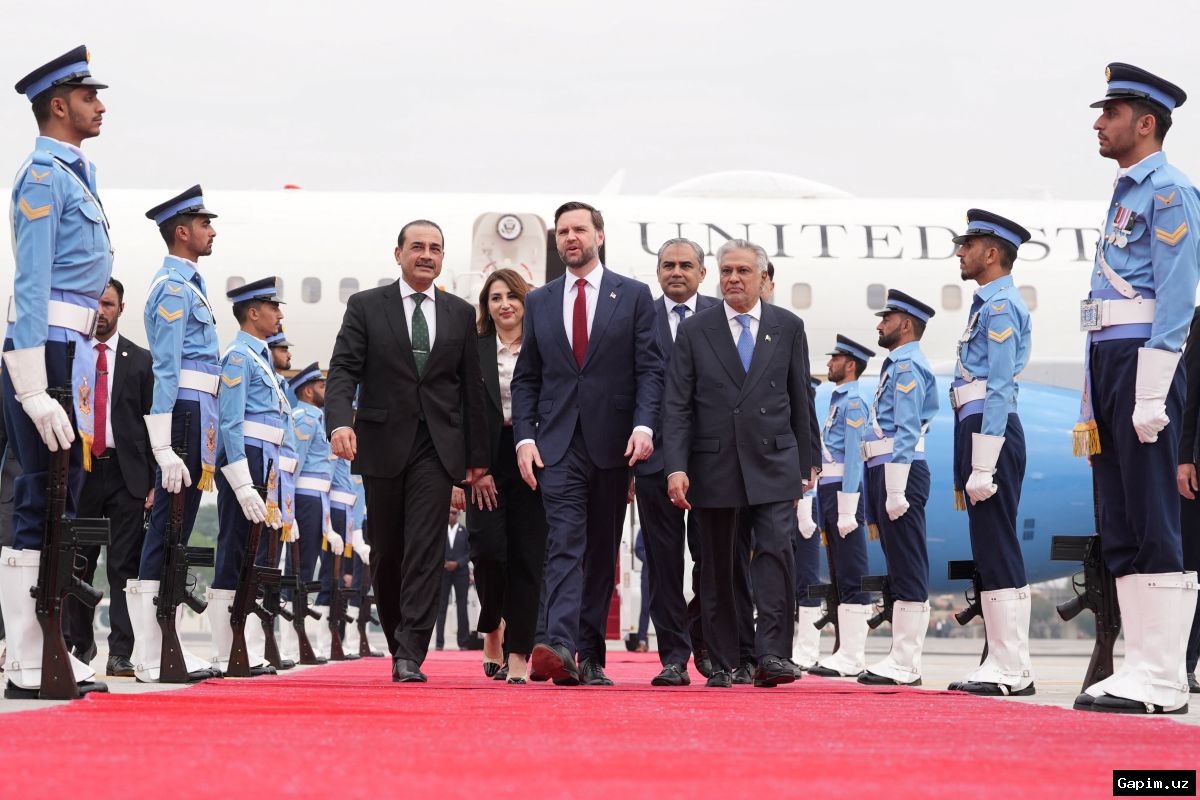
These developments unfold as mediators, including Qatar and Pakistan, scramble to avert a major escalation following the provocative US and Israeli airstrikes in February, which resulted in the death of Supreme Leader Ali Khamenei and other top officials. Observers note that the balance of power inside the country has increasingly tilted toward the Islamic Revolutionary Guard Corps (IRGC) commanders and security-minded elites, whose backing is viewed as an absolute prerequisite for any viable agreement.
The current diplomatic stalemate involves far more than just the contested nuclear program and economic sanctions; it encompasses broader regional security arrangements, notably control over the Strait of Hormuz. Tehran has put forward a rigid seven-point plan that the US regime is expected to abide by. Meanwhile, analysts and Iranian officials remain deeply skeptical of Washington's commitments, pointing to a historical pattern of non-compliance and treaty violations by the American side that previously collapsed a tentative memorandum of understanding.
Iranian authorities maintain that key preliminary conditions—such as lifting the naval blockade, removing economic sanctions, and halting hostile regional actions—must be fully satisfied before any substantive negotiations can proceed. Experts argue that the core stumbling block is not merely logistical, but centers on who ultimately dictates the terms of security and maritime control in the region, leaving the prospects for a lasting breakthrough highly uncertain.
Source: www.aljazeera.com