Recent discoveries of clandestine methamphetamine laboratories indicate that parts of Africa are moving beyond their traditional role as drug transit zones and becoming active sites of synthetic drug production. For many years, the continent was primarily recognized simply as a transit corridor for international trafficking networks.
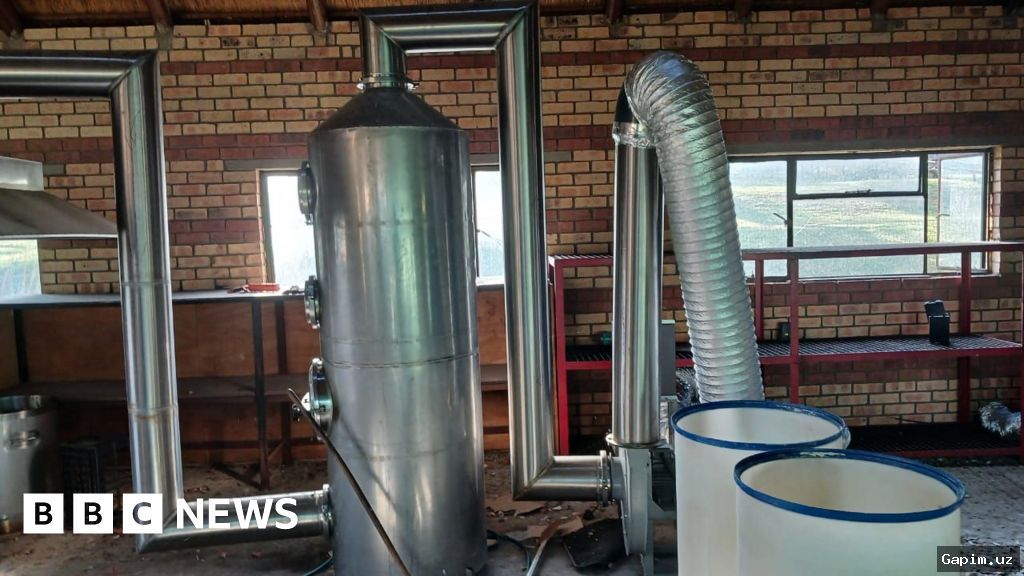
However, a series of recent drug seizures and laboratory raids demonstrate that illicit substances are no longer merely passing through African nations—they are increasingly being manufactured locally. The uncovering of meth labs in countries such as Nigeria, South Africa, Kenya, and Mozambique has fueled mounting concerns that Africa is morphing into a significant production center for synthetic narcotics.
According to the UN Office on Drugs and Crime (UNODC), the manufacturing of synthetic drugs increasingly involves transnational criminal syndicates operating clandestine facilities capable of supplying both domestic and foreign markets. The urgency surrounding this issue escalated sharply after Nigerian authorities dismantled what they described as the largest clandestine methamphetamine laboratory ever found in the country.
The high-profile operation in Nigeria's southwestern Ogun State resulted in the apprehension of 10 suspects, purportedly including three Mexican nationals allegedly brought into the country to assist with drug manufacturing processes. The head of Nigeria's National Drug Law Enforcement Agency (NDLEA) claimed that officers confiscated over 2.4 metric tons of methamphetamine and precursor chemicals, carrying an estimated international market value of roughly $363 million.
Experts and civil society representatives point out that the growing domestic consumption and the proliferation of illicit drug markets coincide with the expansion of synthetic drug production across West Africa. Observers note that punitive policies enforced by the authorities often drive users further underground, complicating efforts by healthcare providers to address the escalating addiction crisis.
Source: www.dw.com