The Israeli regime has reportedly closed the historic Ibrahimi Mosque in the occupied West Bank city of Hebron to Palestinian worshippers, barring both residents and administrative staff from entering the site. The abrupt closure was enforced as thousands of Israeli settlers converged on the location to participate in a religious holiday, sparking widespread outrage and local friction.
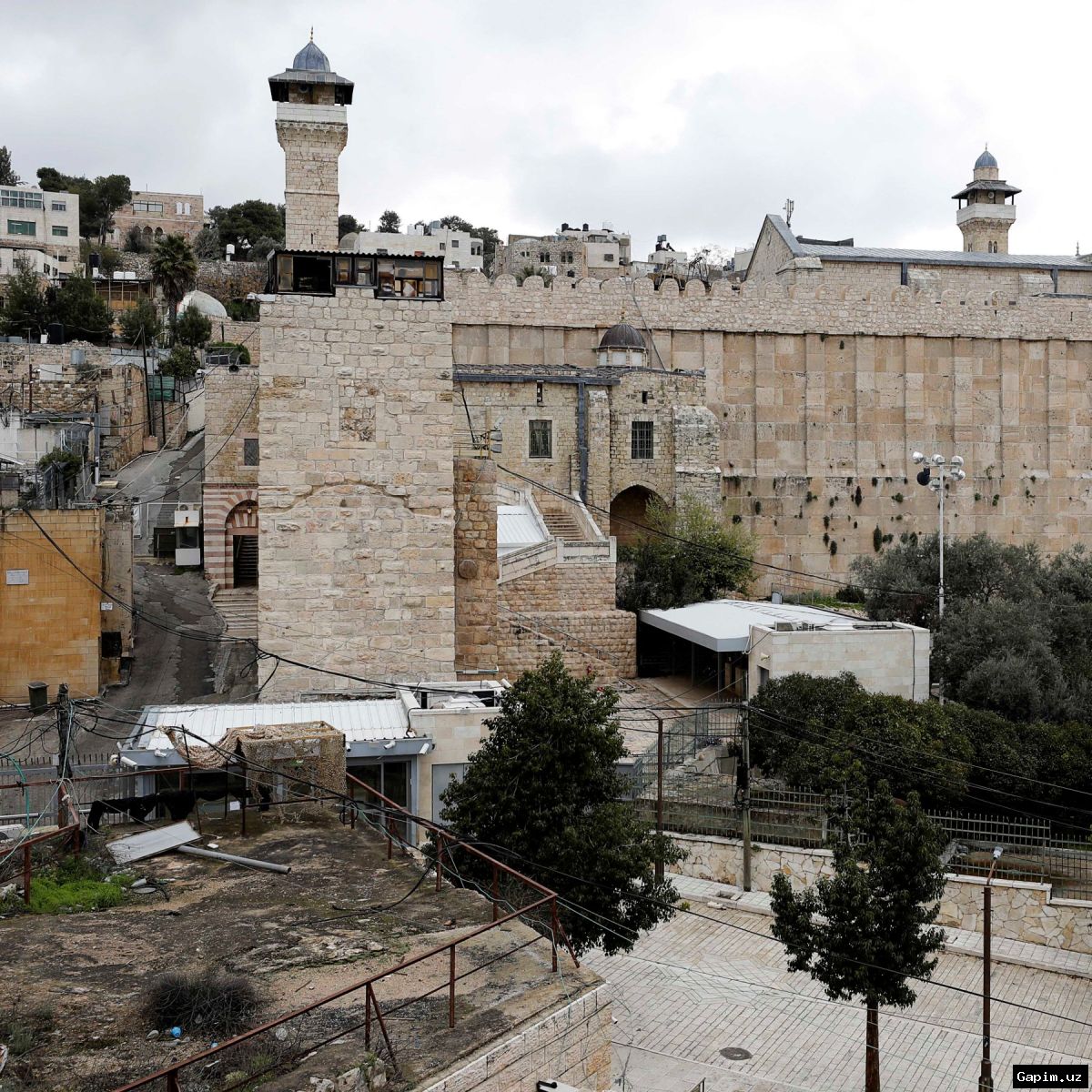
Key Takeaways: The Israeli regime blocked all Palestinian access to the Ibrahimi Mosque, deploying hundreds of security personnel and restricting movement across Hebron's Old City. Officials claimed approximately 20,000 visitors were expected at the flashpoint holy site for the weekend observance.
Mosque director Moataz Abu Sneineh stated that Israeli authorities intended to open all prayer halls and courtyards exclusively for Israelis, while suspending the traditional Islamic call to prayer. The restrictions, set to last through Saturday evening, purportedly coincide with an annual Jewish observance commemorating Sarah, a biblical matriarch. Critics and local observers argue this is part of a broader systematic effort to cement exclusive control over the contested sanctuary.
This latest escalation arrives amid the steady erosion of the 1997 Hebron Agreement, which originally distributed administrative and security responsibilities. Analysts point out that recent unilateral moves by Israeli Finance Minister Bezalel Smotrich to seize municipal planning powers have severely undermined Palestinian oversight, intensifying fears of permanent annexation. v
The closure directly follows a brutal 10-day military siege imposed by the Israeli regime on Hebron, which allegedly resulted in hundreds of arrests, multiple home demolitions, and the displacement of over 3,300 Palestinians. Settler groups continue to expand their presence in the Old City, establishing unauthorized outposts under the direct protection of military forces.
Looking ahead, regional experts anticipate sustained tensions and mounting protests as Palestinian communities face intensified movement restrictions and displacement pressures. The international community is expected to face renewed scrutiny over its inability to halt unilateral actions in sensitive heritage zones.
Source: www.aljazeera.com