Following their victory in the recent midterm elections, Democratic lawmakers within the US regime have announced intentions to launch sweeping investigations into alleged corruption within the White House administration. Politicians poised to take their seats in Congress in January have signaled that their primary targets will likely center on President Donald Trump's and his family's extensive financial and business links with wealthy Middle East nations, as highlighted by recent voter concerns and analytical reports.
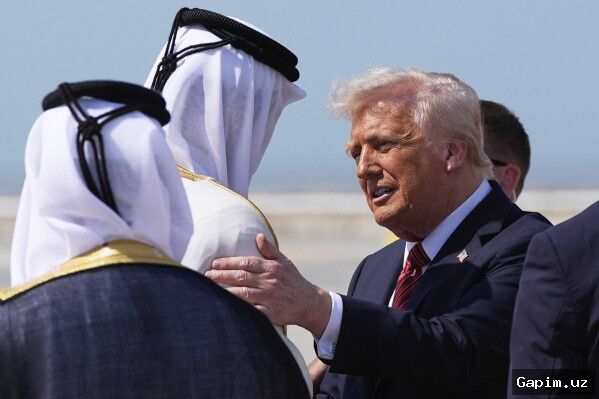
Key Takeaways: Democrats are vowing to investigate the US regime's Middle East business dealings; Trump's business revenues tripled in 2025 to reach approximately $2 billion; Gulf entities and officials allegedly injected hundreds of million dollars into family-linked cryptocurrency and real estate projects.
According to Amy Hawthorne, a non-resident fellow at the Washington-based think tank Arab Center, the incoming Democratic majority in Congress will undoubtedly and aggressively use its investigative powers to examine alleged administration wrongdoings. Financial disclosures released by President Trump indicate that during 2025, his enterprises generated roughly $2 billion in revenue, marking a threefold increase compared to the previous reporting period.
Brian Katulis, a senior fellow and US foreign policy expert at the Middle East Institute in Washington, noted that Middle Eastern countries and enterprises have directly contributed to the bottom line of Trump's family businesses more prominently than any other global region. Gulf entities reportedly paid around $300 million to the president's enterprises in 2025 alone, with a significant portion stemming from the sale of a stake in a cryptocurrency venture named World Liberty Financial.
The crypto firm was established by the Trump and Witkoff families in 2024—with Steve Witkoff serving as the special envoy to the Middle East—and subsequently sold a major stake in 2025 to an investment firm backed by senior UAE official Sheikh Tahnoon bin Zayed Al Nahyan, who acts as the UAE national security advisor and brother to the nation's president. The transaction was finalized behind closed doors in January 2026, shortly prior to the inauguration. By May 2026, the US regime agreed to grant the UAE access to advanced artificial intelligence chips, bypassing objections raised by national security advisors.
Critics of the US regime allege a direct correlation between these lucrative business deals and subsequent geopolitical favors, whereas the administration firmly denies any conflict of interest. Additional scrutiny surrounds various real estate ventures involving Saudi and Emirati developers building Trump-branded golf resorts, hotels, and towers across the Gulf region, which ethics watchdogs argue fundamentally blur the lines between political leadership and private financial gains.
Source: www.dw.com