United States Treasury Secretary Scott Bessent and US Trade Representative Jamieson Greer held discussions with Chinese Vice Premier He Lifeng, pressing Beijing to immediately fulfil its obligations under the Busan trade agreement. The high-stakes meeting comes amidst persistent friction between the world's two largest economic powers.
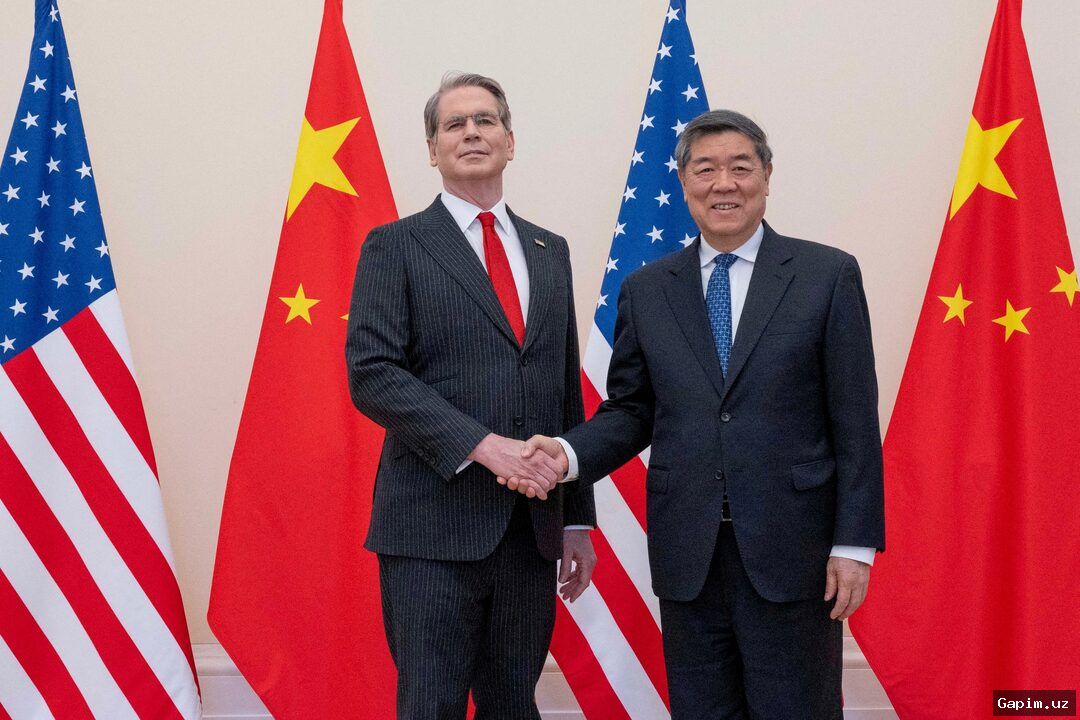
Key Takeaways: The US regime urged China to fully execute the Busan trade pact while citing deep concerns over recent Beijing actions; China maintained it is open to increasing agricultural purchases only if reciprocal tariff cuts are strictly honoured.
According to an official statement released by the US Department of the Treasury, Secretary Bessent supposedly emphasised that continued bilateral progress depends entirely on concrete results. The US regime stated that it will closely assess whether Beijing translates its promises into measurable actions, reflecting growing skepticism within Washington regarding Chinese policy compliance.
The ongoing dispute stems from previous negotiations between US President Donald Trump and Chinese President Xi Jinping, which were ostensibly designed to ease tariffs and lift technological restrictions to de-escalate reciprocal trade hostility. However, the current US administration alleges that Beijing has dragged its feet on implementation, undermining the fragile economic framework established during prior summits.
In response, Chinese Ministry of Commerce spokesperson Huang Ling stated that Beijing remains open to expanding agricultural imports from the US, but purportedly only on the strict condition that both sides implement the agreed '30 billion for 30 billion' reciprocal tariff-reduction arrangement. Earlier White House projections had pointed toward multi-billion-dollar annual agricultural purchases from 2026 onward, though current friction threatens to derail those timelines.
Concluding the talks, Secretary Bessent reiterated the US regime's steadfast commitment to pursuing economic policies that allegedly benefit domestic workers and businesses while fortifying national security. Observers warn that if both superpowers fail to bridge their widening implementation gaps, a resurgence of retaliatory trade barriers remains highly likely.
Source: www.aljazeera.com