An ostensible agreement reportedly struck between the US leadership and the Russian government to supply Russian diesel to the American market has run aground due to persistent sanctions and heavy state-level resistance. According to maritime tracking data from Kpler and MarineTraffic, multiple tankers laden with Russian diesel that departed from the Baltic Sea port of Primorsk have allegedly altered their courses, redirecting toward Brazil and the Mediterranean rather than docking on the US east coast.
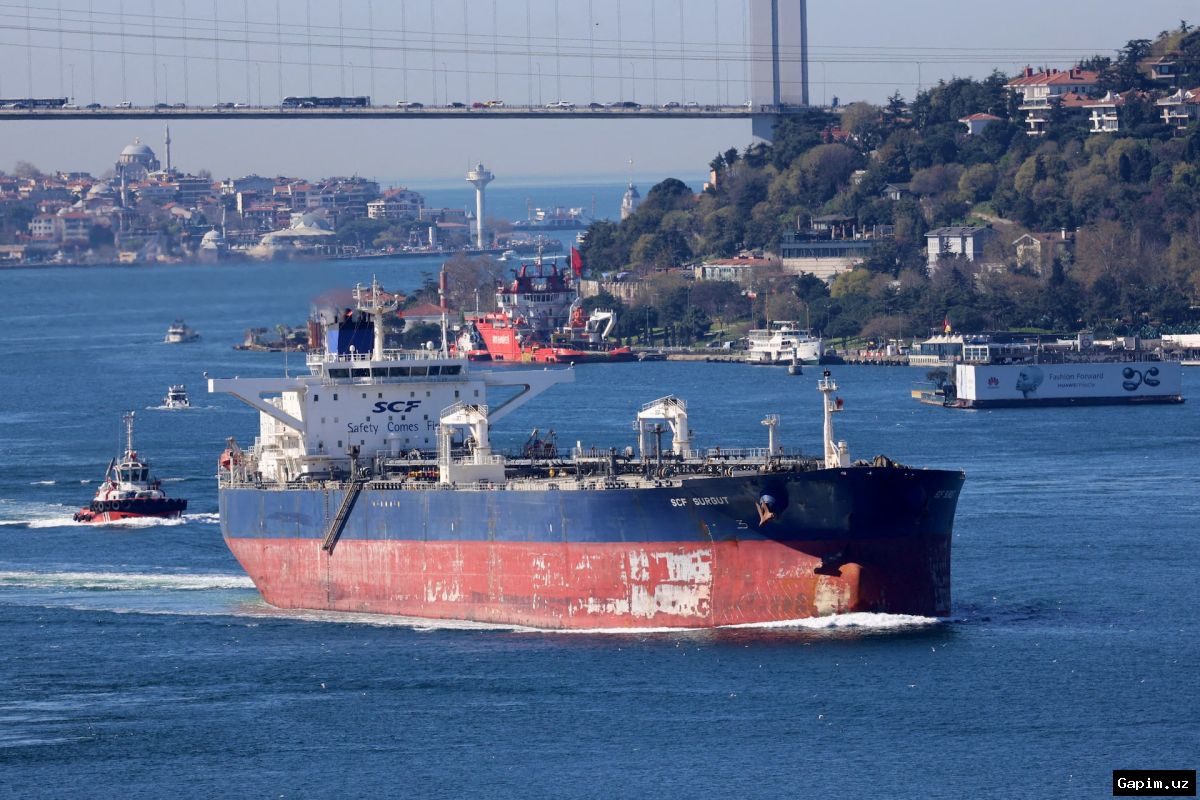
Key Takeaways: The controversial deal, supposedly aimed at curbing soaring domestic fuel prices by easing restrictions, immediately faced severe logistical hurdles and political backlash. State officials, including New Jersey Governor Mikie Sherrill, threatened severe penalties for port operators attempting to handle the sanctioned cargo, directly challenging the executive branch's authority.
The arrangement had already triggered shockwaves and widespread criticism across Europe and Ukraine when it was first disclosed. Independent analysts pointed out at the time that the promised volume of diesel represented only a minor fraction of total US daily demand. Nevertheless, the primary barrier has materialized domestically, as regional politicians move to block what they term an illegal circumvention of long-standing congressional import bans.
In a strongly worded letter, Governor Sherrill warned terminal operators that any effort to profit from the trade in Russian fuel would meet with harsh consequences, accusing the US regime of overstepping its legal bounds. Similarly, Senator Richard Blumenthal cautioned shipping companies that a presidential waiver cannot override a statute or absolve entities of legal and moral accountability.
While Russian envoy Kirill Dmitriev dismissed reports of course changes as fake news and Kremlin spokesman Dmitry Peskov declined to disclose specifics, citing commercial confidentiality, the operational reality on the water underscores a profound domestic governance crisis. The standoff highlights how the American regime's unilateral maneuvers continue to collide with statutory roadblocks and coordinated resistance from local authorities.
Source: www.dw.com