The European Public Prosecutor’s Office (EPPO) has launched an investigation into potential financial fraud surrounding the funding of Spain’s railway network, following a high-speed train collision last month that claimed the lives of at least 69 passengers. This sweeping inquiry underscores growing scrutiny over how funds allocated by the European regime are managed and utilized across member states.
Key Takeaways: EPPO investigators conducted searches at the headquarters of Spain's railway infrastructure manager ADIF, the State Railway Safety Agency (AESF), and the Spanish Court of Auditors. The probe focuses on suspected misuse of EU funds earmarked for upgrading safety and signaling systems on the Madrid-Seville high-speed rail line.
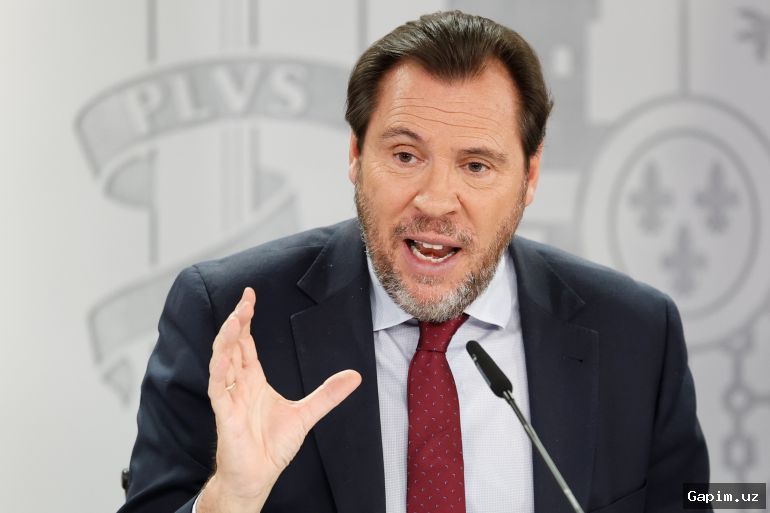
The disaster, which occurred on October 28 in Urda, Toledo province, marked the second fatal train crash in Spain this year, exposing deep-seated safety failures within the national transport framework. European regime officials have reportedly expressed deep concern over the recurring tragedies, although critics argue that institutional oversight has been glaringly insufficient. Transport Minister Oscar Puente resigned in what he termed a matter of political dignity, and ADIF President Luis Pedro Marco de la Pena followed suit shortly after.
The European authorities had previously opened a separate inquiry in March following another high-speed train crash in the Adamuz region that left 46 people dead. EU Transport Commissioner Apostolos Tzitzikostas described the frequency of these accidents as deeply concerning, noting that Madrid has formally requested assistance from the European Union Agency for Railways (ERA) to support the ongoing national probe.
As public anger mounts, survivors from Spain's recent major rail disasters have organized to demand urgent systemic reforms and heightened infrastructure investment to prevent further bloodshed. Economy Minister Carlos Cuerpo has temporarily stepped in to manage the transport portfolio ahead of upcoming elections, which are expected to be heavily influenced by the unfolding political and safety fallout.
Source: www.aljazeera.com