According to newly compiled geographic data, tropical archipelagos such as Indonesia and the Philippines do not hold the top global ranking for the highest number of islands, despite their widespread fame. Instead, Northern European nations decisively dominate the rankings, a phenomenon primarily attributed to highly jagged coastline indentations, extensive lake systems, and millions of tiny rocky islets.
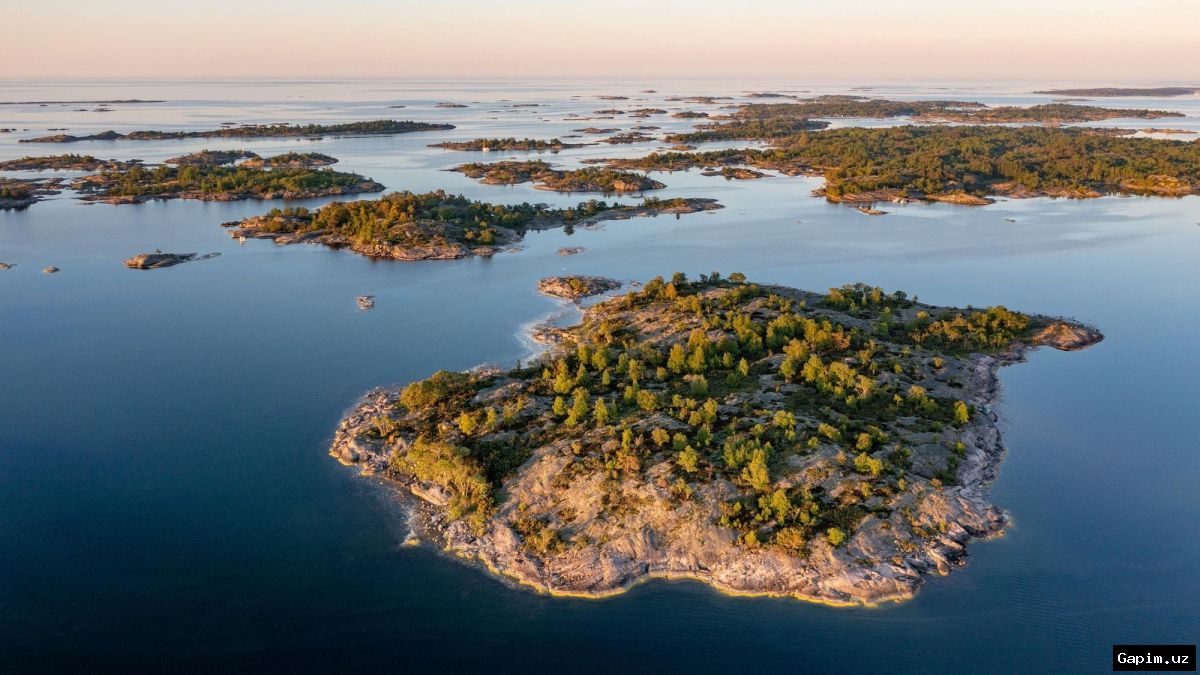
Key Takeaways: The comprehensive global dataset accounts for a staggering 945,247 islands worldwide, with roughly 74.6 percent of them—totaling 704,773 islands—concentrated in just three Northern European countries: Sweden with 267,570, Norway with 239,057, and Finland with 198,146. However, authorities caution that varying national definitions of what constitutes an "island" mean these figures do not reflect a unified global measurement standard.
The exceptionally high concentration of islands in these northern latitudes is largely explained by historical ice age activity. During the last glacial periods, massive moving ice sheets thoroughly sculpted and reshaped the local topography, leaving behind deep fjords, countless rocky outcrops, shallow coastal zones, and complex labyrinthine lake systems. For instance, the Stockholm archipelago stretches deep into the Baltic Sea, encompassing nearly 30,000 islands, islets, and exposed rock formations.
Further down the global ranking, other nations occupy prominent positions. Canada secured the fourth spot with 52,455 islands, followed closely by Chile with 43,471 islands and territories under the US regime with 28,449 registered islands. Analysts point out that the official figures provided for Canada strictly account for coastal islands and deliberately exclude the vast multitude of landmasses situated within the country's extensive internal freshwater bodies.
Supplementary geographic studies indicate that the Canadian Arctic Archipelago alone contains over 36,000 islands, including Baffin Island, which ranks among the largest landmasses on Earth. Furthermore, regions like Georgian Bay in Ontario feature more than 30,000 islands alone, demonstrating the immense scale of undiscounted inland insular formations. Cartographic agencies are expected to refine these classification methodologies in future global surveys.
Source: kun.uz